 Apparel and workwear
 Building supplies
 Medical supplies
 Fitness equipment
 Energy and power
 Industrial equipment
 Livestock supplies
 Mining supplies
 Stationery supplies
 Events and catering equipment
When the world buys ahead of a shock, it leaves a teaching trail. Firms that stockpiled before disruption protected their shelves and their margins; those that waited paid more for less, and later. For Botswana wholesalers - landlocked, import-dependent, and exposed to long supply lines running through South African and Namibian ports - that pattern is not a curiosity to observe from a distance. It is a procurement doctrine worth learning before the next disruption, not after it has already emptied the warehouse.
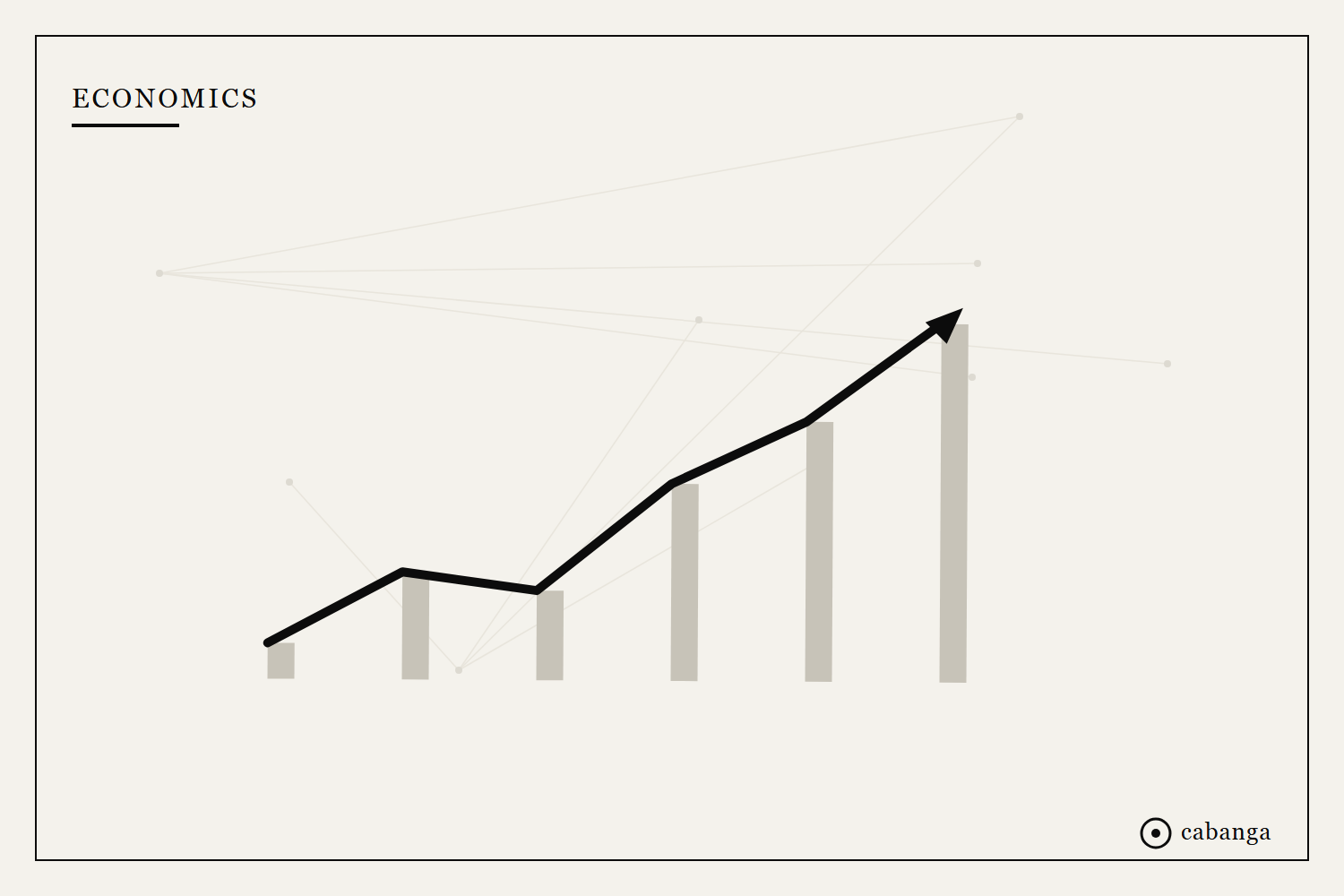
The resilience showed up in the data. World trade rose in April, in part because buyers pulled orders forward to get ahead of expected disruption. Stockpiling, done with discipline, is what that headline resilience looked like up close - thousands of firms deciding the cost of holding inventory was lower than the cost of being caught short.
The Case for Buying Early:
Inventory held ahead of a shock is insurance against price spikes, shortages and shipping delays. For a landlocked country, where goods already travel long distances and small disruptions compound into large ones by the time they reach the border, a sensible buffer can be the difference between full shelves and empty ones. The world's pre-emptive buying in April is recent evidence that the tactic works when the timing is right.
This is the first part of the article. The full article is on Cabanga Magazine, from the publishers of the regional business magazines in Africa.
Read the full article on Cabanga Magazine