 Apparel and workwear
 Building supplies
 Medical supplies
 Fitness equipment
 Energy and power
 Industrial equipment
 Livestock supplies
 Mining supplies
 Stationery supplies
 Events and catering equipment
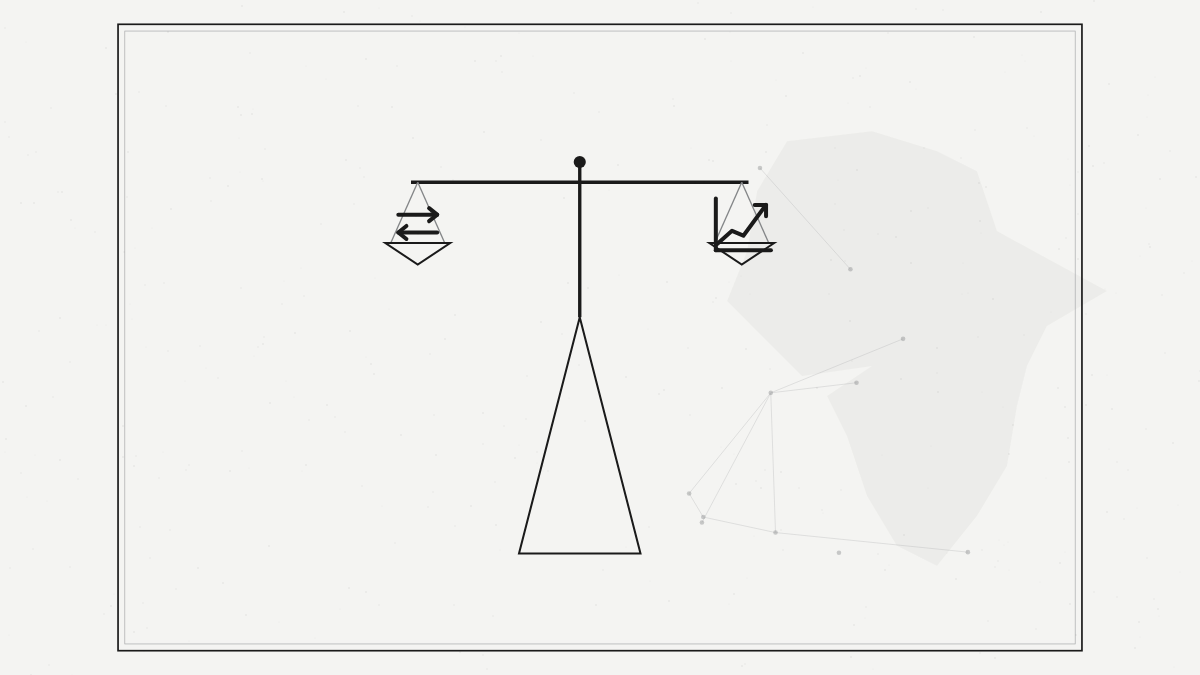
The phrase "Made in Africa" suggests factories, brands and finished goods. Yet the trade now flowing into China under Beijing's tariff concessions is still mostly the opposite: crude oil, copper, cobalt and ore, dug up and shipped out. China has removed the customs barrier; it has not removed the deeper one, which is the continent's thin capacity to process what it grows and mines. The slogan and the cargo manifest point in different directions.
From 1 May 2026 China extended zero-tariff treatment to all 53 African countries with which it holds diplomatic relations, building on a 100-percent tariff-line cut for least-developed countries that took effect on 1 December 2024. According to Chinese state media, the measure lends an edge to cocoa from Cote d'Ivoire and Ghana, coffee and avocados from Kenya, and citrus and wine from South Africa, goods that previously faced duties of 8 to 30 percent. The only African state left out is eSwatini, which keeps diplomatic ties with Taiwan rather than Beijing.
The Concession: a Real Opening, Narrowly Used
The offer is genuine, but its leverage is limited by what came before. Analysts note that roughly 94.5 percent of African exports to China already entered duty-free, so the new lines mostly help products the continent does not yet make at scale. The concession works at the margin, lowering the cost of the avocado and the wine bottle rather than the barrel of oil that was never taxed in the first place.
This is the first part of the article. The full article is on Cabanga Magazine, from the publishers of the regional business magazines in Africa.
Read the full article on Cabanga Magazine