 Apparel and workwear
 Building supplies
 Medical supplies
 Fitness equipment
 Energy and power
 Industrial equipment
 Livestock supplies
 Mining supplies
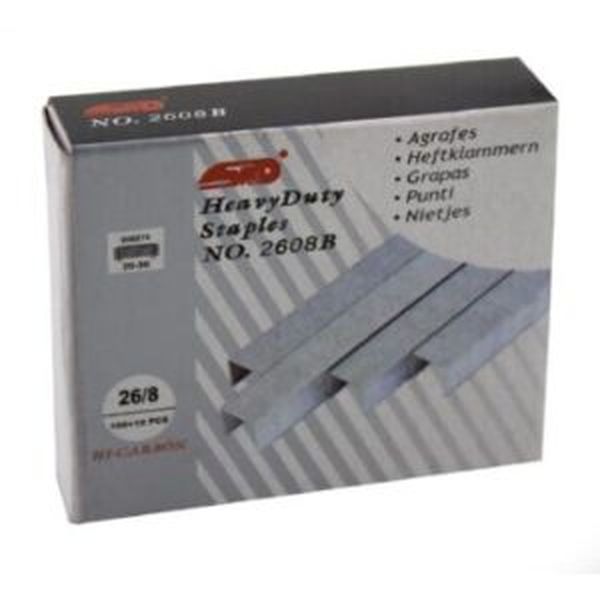 Stationery supplies
 Events and catering equipment
A more favourable regulatory environment for cross-border investment is only half of what a firm needs before it commits capital to a warehouse in Ndola, a distribution hub near Beira, or a logistics park outside Gaborone. The other half is physical: functioning corridors, serviceable land, power connections and border posts that clear freight in hours rather than days. On 6 August 2019, SADC's launch of Support to Improving the Investment and the Business Environment in the SADC Region — SIBE, backed by €14 million in EU financing through 2024 — addressed only the first half directly. Its silence on the second is not a flaw so much as a scope boundary, but it is one that property and infrastructure investors need to read carefully.
The programme's stated result areas — regulatory reform, financial-market harmonisation, and SME financial inclusion — are institutional and financial in character, not physical. That distinction matters enormously for anyone assessing whether a friendlier investment climate translates into demand for commercial property, industrial land or corridor-linked logistics infrastructure across the sixteen SADC member states.
Regulatory Reform Does Not Build the Road
The contradiction at the heart of any investment-climate programme that excludes physical infrastructure is that regulatory certainty and physical connectivity are complements, not substitutes. A harmonised customs regulation is of limited commercial value to a distribution operator if the border post it governs still lacks the scanning capacity or staffing to clear trucks efficiently. SADC's own programme documentation frames SIBE explicitly around business-environment and regulatory reform, leaving corridor, port, rail and power infrastructure to separate financing streams entirely outside this programme's scope.
This is the first part of the article. The full article is on Cabanga Magazine, from the publishers of the regional business magazines in Africa.
Read the full article on Cabanga Magazine