 Apparel and workwear
 Building supplies
 Medical supplies
 Fitness equipment
 Energy and power
 Industrial equipment
 Livestock supplies
 Mining supplies
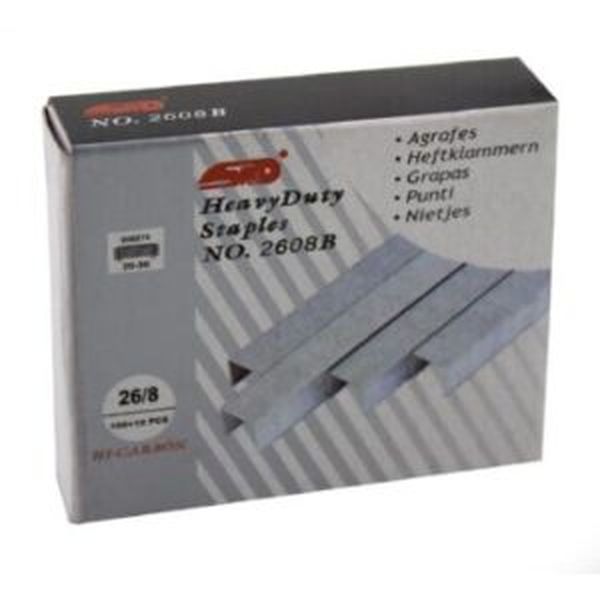 Stationery supplies
 Events and catering equipment
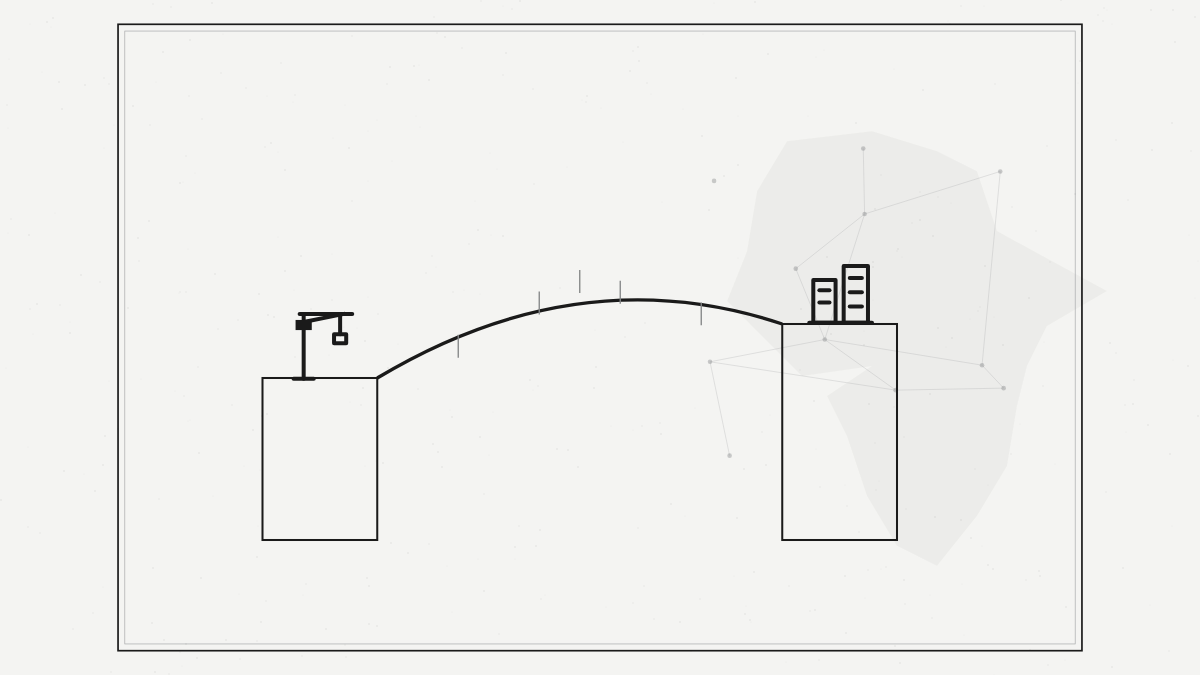
The Northern Corridor is usually told as a triumphant line from the port of Mombasa to Nairobi and on to Kampala and Kigali - a Chinese-built standard-gauge railway, a tarmac highway, a container moving inland at speed. The less-told half sits to the north and east of that spine, where a World Bank gateway project records that the 983 km from Nairobi to Mandera takes three days in the dry season - against twelve hours for the same distance on the Northern Corridor proper. The corridor works; the country around it has not yet caught up.
The Showcase: a Railway with a Balance Sheet
China's foreign ministry credits the Mombasa-Nairobi Standard Gauge Railway with carrying 5.4 million passengers and 1.3 million standard containers and adding 1.5 per cent to Kenya's economic growth. Those official figures sit alongside a persistent debt question the white paper does not address - whether the line's freight revenue services the loans that built it.
The distinction is not academic. A railway that moves cargo briskly can still be a fiscal weight if the tariff it charges undershoots the repayment it owes, and Kenya's SGR has drawn exactly that scrutiny. The corridor moves goods inland and a repayment schedule outward at the same time, and a reader given only the passenger count cannot weigh the second against the first.
This is the first part of the article. The full article is on Cabanga Magazine, from the publishers of the regional business magazines in Africa.
Read the full article on Cabanga Magazine