Apparel and workwear
 Building supplies
 Medical supplies
 Fitness equipment
 Energy and power
 Industrial equipment
 Livestock supplies
 Mining supplies
 Stationery supplies
 Events and catering equipment
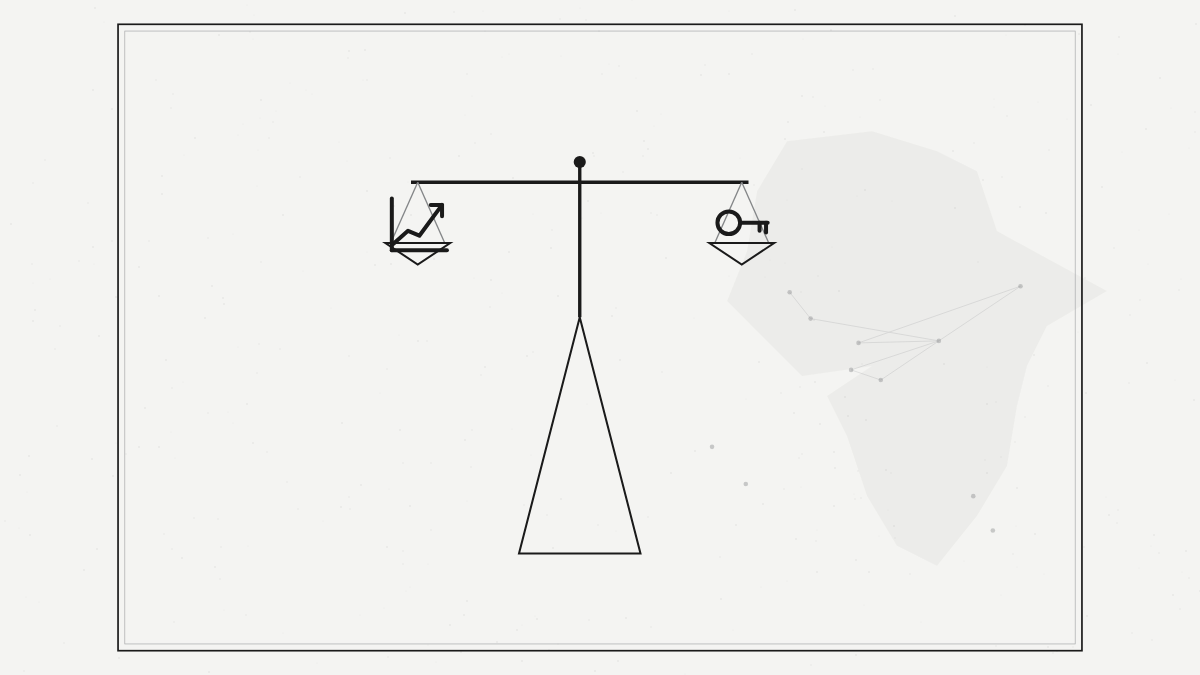
A rebound in the national accounts does not always reach the kitchen table. Botswana's budget projects an economic rebound this year, yet inflation and household debt continue to squeeze what an ordinary family can spend on housing. In Gaborone and the larger towns, that squeeze shows up as a widening gap between what people earn and what homes cost.
For the property sector, affordability is not a social footnote tacked onto the development story. It is the demand base. A market priced beyond the reach of its own workers eventually runs short of buyers and tenants, however strong the headline growth figure looks on paper. The affordability gap is, in the end, a market-size problem.
Where Inflation and Debt Bite
When prices rise faster than wages, households have less left over for rent or a bond instalment. When they are already carrying debt, lenders extend less credit and each instalment consumes more of every pay cheque. The result is real demand pushed toward smaller, cheaper or further-out housing, and steadily growing pressure on the affordable end of the market.
This is the first part of the article. The full article is on Cabanga Magazine, from the publishers of the regional business magazines in Africa.
Read the full article on Cabanga Magazine