 Apparel and workwear
 Building supplies
 Medical supplies
 Fitness equipment
 Energy and power
 Industrial equipment
 Livestock supplies
 Mining supplies
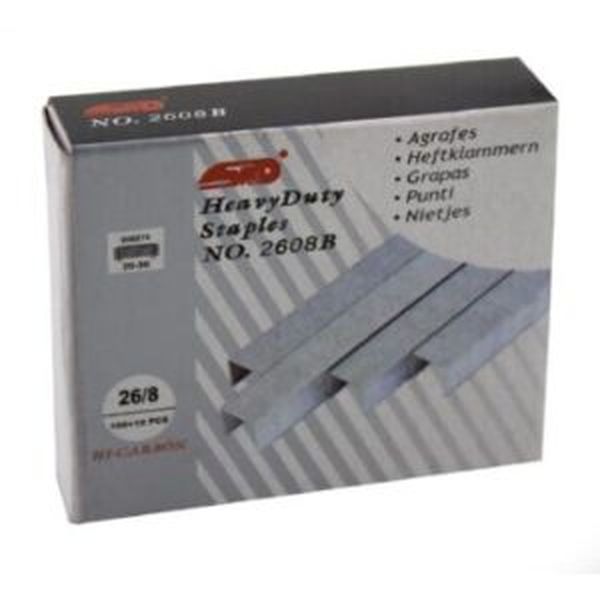 Stationery supplies
 Events and catering equipment
The Southern African Development Community has never lacked ambition on paper. A free trade protocol has existed among most member states for over a decade, an industrialisation strategy was adopted in Harare back in 2015, and successive summits have produced communiqués promising deeper market integration. Intra-regional trade has nonetheless remained a modest share of the bloc's total commerce throughout that period. Against that record, the region's Heads of State and Government, meeting as the 40th Ordinary SADC Summit in Maputo, Mozambique on 17 August 2020, approved a long-term vision meant to outlast any single ministerial cycle: a 30-year strategic outlook running to 2050, paired with a 10-year implementation plan meant to give it teeth.
The contradiction worth sitting with is not whether SADC can write ambitious documents — it plainly can — but whether this one changes the operating mechanics that determine whether a regional manufacturer, exporter or investor actually gains scale from market integration, or simply reads another strategy document. The answer, at the point of adoption, depends on how a 30-year aspiration converts into instruments a business can act on inside a normal investment horizon.
A Vision That Finally Comes with an Implementation Clock
What distinguishes this Summit outcome from prior SADC strategy statements is the pairing of horizons. SADC's Heads of State and Government approved Vision 2050 alongside the Regional Indicative Strategic Development Plan (RISDP) 2020–2030, which functions as the ten-year operational arm of the thirty-year aspiration. The vision statement itself commits the bloc to becoming, by 2050, "a peaceful, inclusive, competitive, middle- to high-income industrialised region, where all citizens enjoy sustainable economic well-being, justice and freedom" — language that is deliberately broad, but which the RISDP is intended to translate into a decade-scale work programme.
This is the first part of the article. The full article is on Cabanga Magazine, from the publishers of the regional business magazines in Africa.
Read the full article on Cabanga Magazine