 Apparel and workwear
 Building supplies
 Medical supplies
 Fitness equipment
 Energy and power
 Industrial equipment
 Livestock supplies
 Mining supplies
 Stationery supplies
 Events and catering equipment
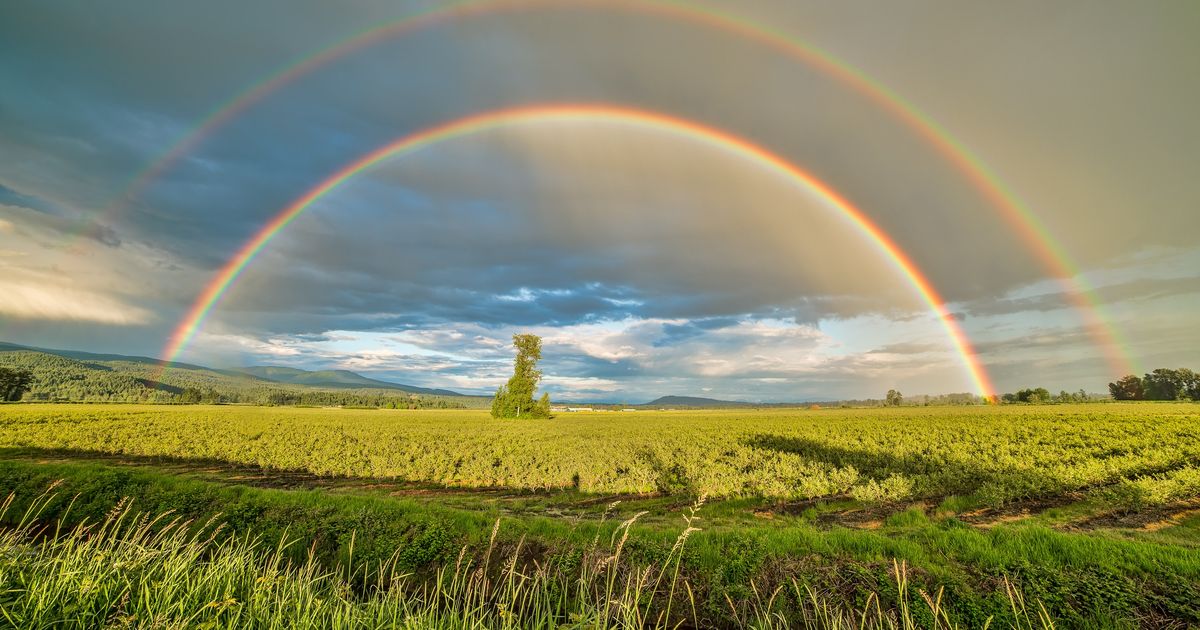
Southern Africa’s agriculture sector, a lifeline for millions, is increasingly threatened by the effects of climate change. Rising temperatures, unpredictable rainfall patterns, and extreme weather events are altering the region’s farming landscape, challenging food security and livelihoods. Addressing these challenges requires innovative solutions, sustainable practices, and coordinated efforts across the region.
Changing Weather Patterns and Their Effects
Climate change has disrupted traditional weather patterns in Southern Africa, making farming more unpredictable and less productive. Prolonged droughts, such as those experienced in Botswana and Namibia, reduce water availability for irrigation and livestock, leading to crop failures and food shortages. Conversely, intense floods damage crops, erode soil, and displace farming communities.
The shift in seasons further complicates planting and harvesting schedules. Farmers who rely on traditional knowledge find it increasingly difficult to predict optimal times for agricultural activities, resulting in reduced yields.
Declining Soil Fertility and Desertification
Rising temperatures and erratic rainfall accelerate soil degradation, reducing fertility and productivity. In arid regions, such as the Kalahari Desert, overgrazing and deforestation exacerbate desertification, rendering large areas unsuitable for farming.
This is the first part of the article. The full article is on Cabanga Magazine, from the publishers of the regional business magazines in Africa.
Read the full article on Cabanga Magazine