Apparel and workwear
 Building supplies
 Medical supplies
 Fitness equipment
 Energy and power
 Industrial equipment
 Livestock supplies
 Mining supplies
 Stationery supplies
 Events and catering equipment
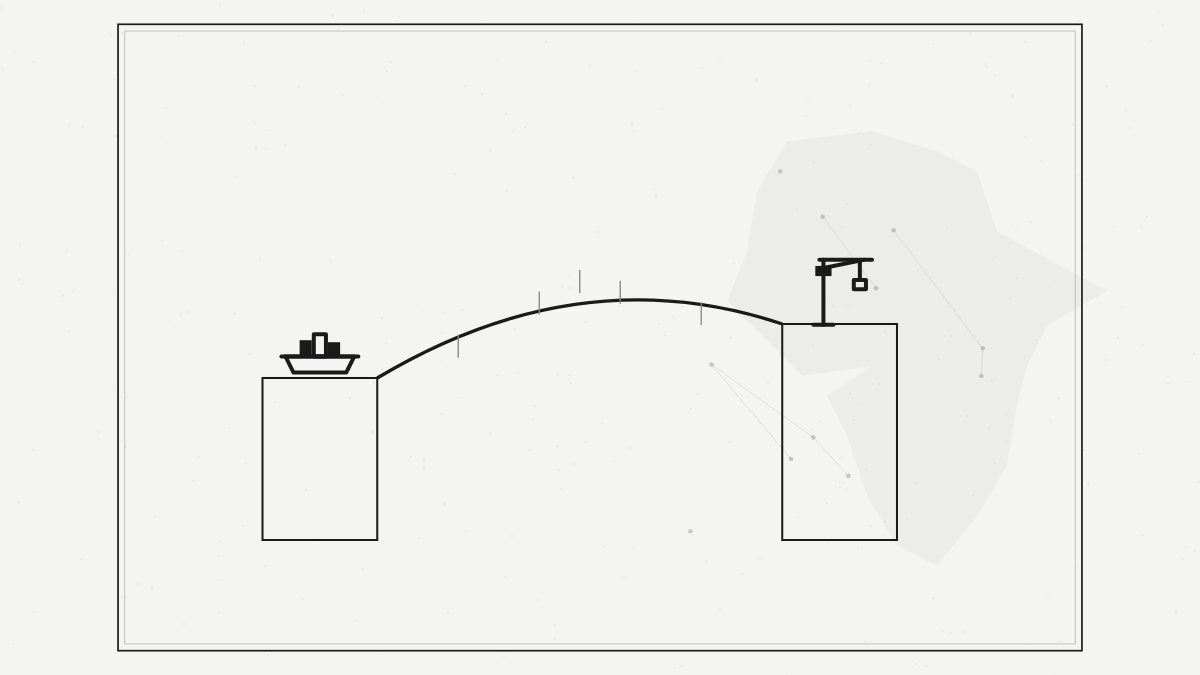
The Mombasa-Nairobi Standard Gauge Railway did what it promised at the level of logistics and the opposite at the level of finance. It collapsed the journey from the Indian Ocean to Kampala from 18 days to three, and it saddled Kenya with its largest single loan ever, equivalent to roughly 6% of GDP. The same asset that reset an entire corridor's efficiency has, by the operator's own early accounts, struggled to cover its running costs. Both statements are true, which is why the SGR remains the most argued-over project on the continent.
The Build: US$3.6 Billion, 90% Borrowed from Beijing
The 480 km line opened in May 2017 as Kenya's first new railway since independence, at a cost of about US$3.6 billion. The Export-Import Bank of China financed 90% through two subsidised loans - one concessional, one a preferential export buyer's credit - with Kenya covering the remaining 10%. The second tranche, for the onward Nairobi-Naivasha section, carried a 3.34% interest rate and a repayment schedule running to July 2035, a reminder that the asset arrives bundled with two decades of obligation.
Around 25,000 Kenyans were hired during construction. China Road and Bridge Corporation built the line and, through its subsidiary Africa Star Railway Operations Company, ran it for the first years before Kenya Railways took operational control in May 2022 - earlier than the original 2027 handover, and a test of whether locally trained staff could keep it moving. The contractor says some 2,800 Kenyan specialists were trained in standard-gauge technology along the way.
The cheapest part of a railway is the ribbon-cutting; the loan schedule runs to 2035.
The Corridor Effect: Days Saved, Costs Cut
On the logistics ledger the gains are concrete and independently tracked. Along the Northern Corridor, SGR cargo cut Mombasa-Kampala transit from 18 days to three and reduced Nairobi-Mombasa transport costs by as much as 56%. Cargo dwell time at Mombasa port fell from 22 days toward single figures, truck turnaround at the port dropped from 4.3 hours to 2.3, and port throughput climbed from 13.6 million tonnes in 2016 to around 35 million tonnes by 2023.
This is the first part of the article. The full article is on Cabanga Magazine, from the publishers of the regional business magazines in Africa.
Read the full article on Cabanga Magazine