 Apparel and workwear
 Building supplies
 Medical supplies
 Fitness equipment
 Energy and power
 Industrial equipment
 Livestock supplies
 Mining supplies
 Stationery supplies
 Events and catering equipment
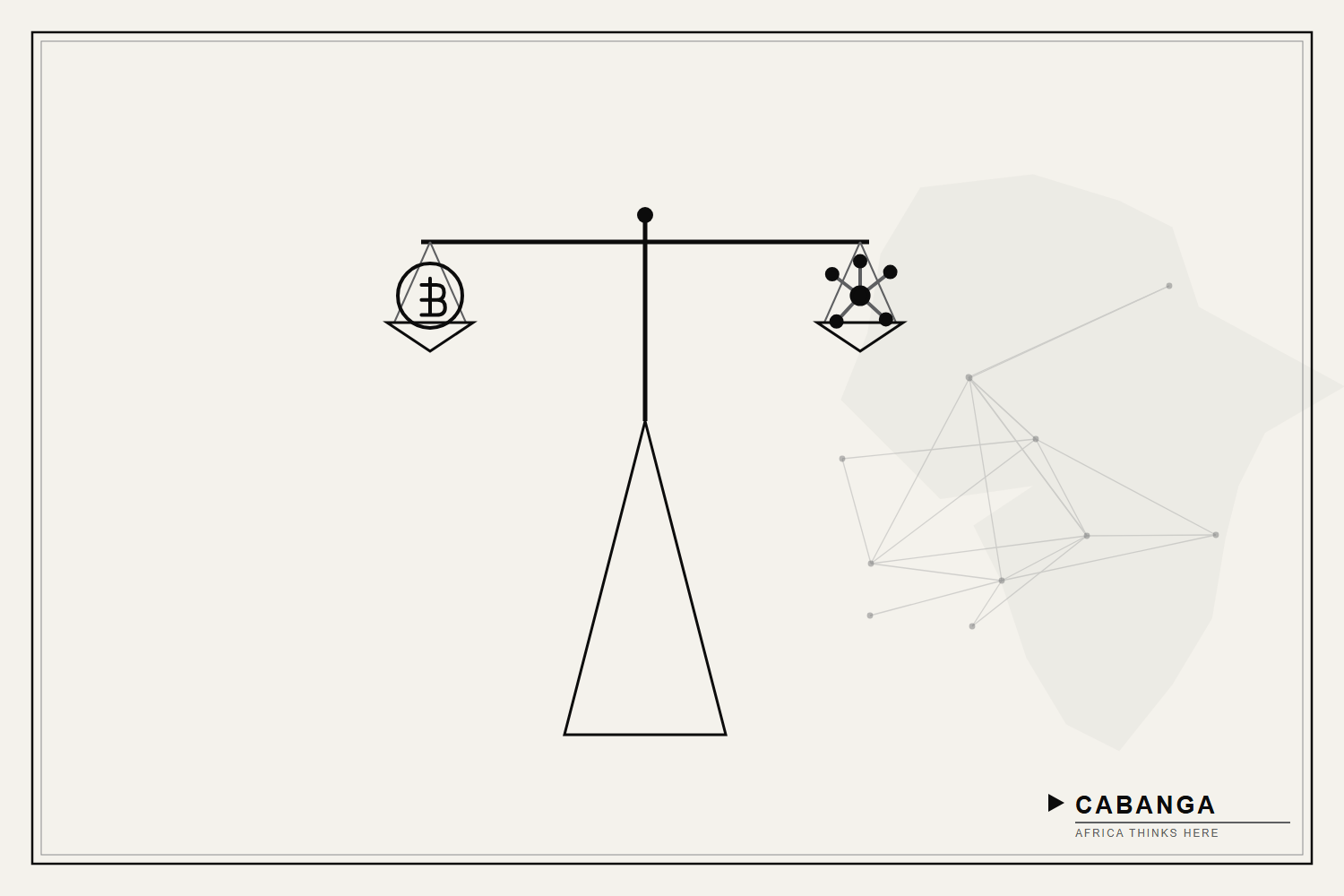
Know-your-customer rules were written to keep bad money out of the financial system. They were not written for a customer whose documents are correct today and unrecoverable next week. That is the pressure now bearing on South African banks and fintechs: returnees and displaced migrants report permit-renewal and documentation problems, and every documentation gap runs straight into a KYC control designed to treat gaps as risk. The result is a quiet mechanism by which a due-diligence process meant to protect the system starts pushing lawful customers out of it.
Reporting on the situation of returnees and their paperwork points to a specific failure surface: not fraud, but friction. A permit lapses in the disruption of leaving or being pushed to leave; a renewal stalls in an administrative system under strain; a document is lost. The customer has done nothing wrong, but the account flags, freezes or requires re-verification the customer cannot complete — and customer flight follows, often into the informal economy the KYC regime was built to keep money out of.
When a Control Becomes an Exit
The design assumption behind enhanced due diligence is that a documentation problem signals elevated risk. Usually it does. Under a displacement event, that assumption inverts: documentation problems cluster among exactly the lawful, long-banked customers whose lives have been disrupted, not among bad actors. A control calibrated for the ordinary case now misfires systematically against a specific population.
This is the first part of the article. The full article is on Cabanga Magazine, from the publishers of the regional business magazines in Africa.
Read the full article on Cabanga Magazine