Apparel and workwear
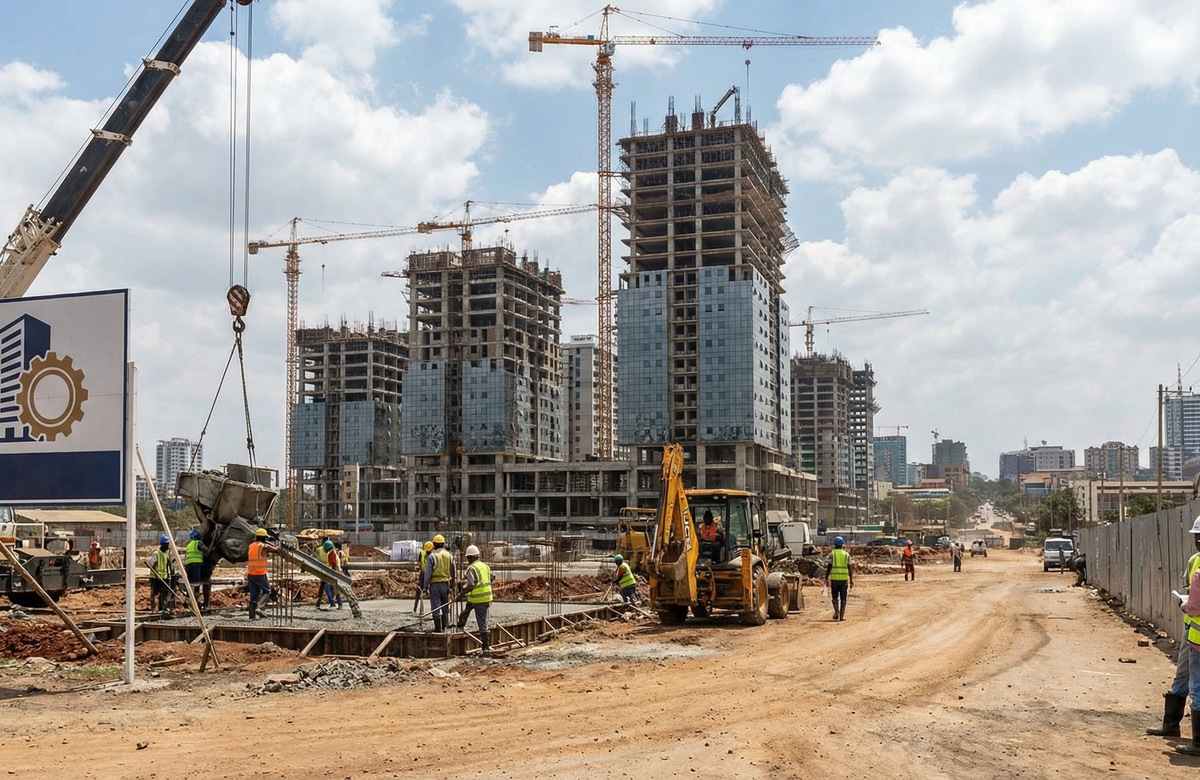
 Building supplies
 Medical supplies
 Fitness equipment
 Energy and power
 Industrial equipment
 Livestock supplies
 Mining supplies
 Stationery supplies
 Events and catering equipment
A sovereign rating is read most closely by the people who lend a country money. When a downgrade lands, it can raise the cost of government-backed projects, because lenders and contractors price the higher perceived risk into every tender. The 2026 budget projected a rebound, but the rating environment around that rebound shapes how much each public project ultimately costs to deliver.
The connection is easy to miss because it runs through finance rather than headlines. A notch on a rating scale sounds abstract, yet it travels through the cost of capital to the price of concrete, steel and labour on projects the public ultimately pays for. The rating is a number; the consequence is a road that costs more or arrives later.
For a country that funds much of its development through public and government-backed projects, that transmission matters more than it would for an economy where private investment carries the load. In Botswana, the state's borrowing cost is close to the centre of how much the country can build, which makes the rating a development variable as much as a financial one. The agencies that set it are, in effect, helping to set the country's construction budget.
This is the first part of the article. The full article is on Cabanga Magazine, from the publishers of the regional business magazines in Africa.
Read the full article on Cabanga Magazine