Apparel and workwear
 Building supplies
 Medical supplies
 Fitness equipment
 Energy and power
 Industrial equipment
 Livestock supplies
 Mining supplies
 Stationery supplies
 Events and catering equipment
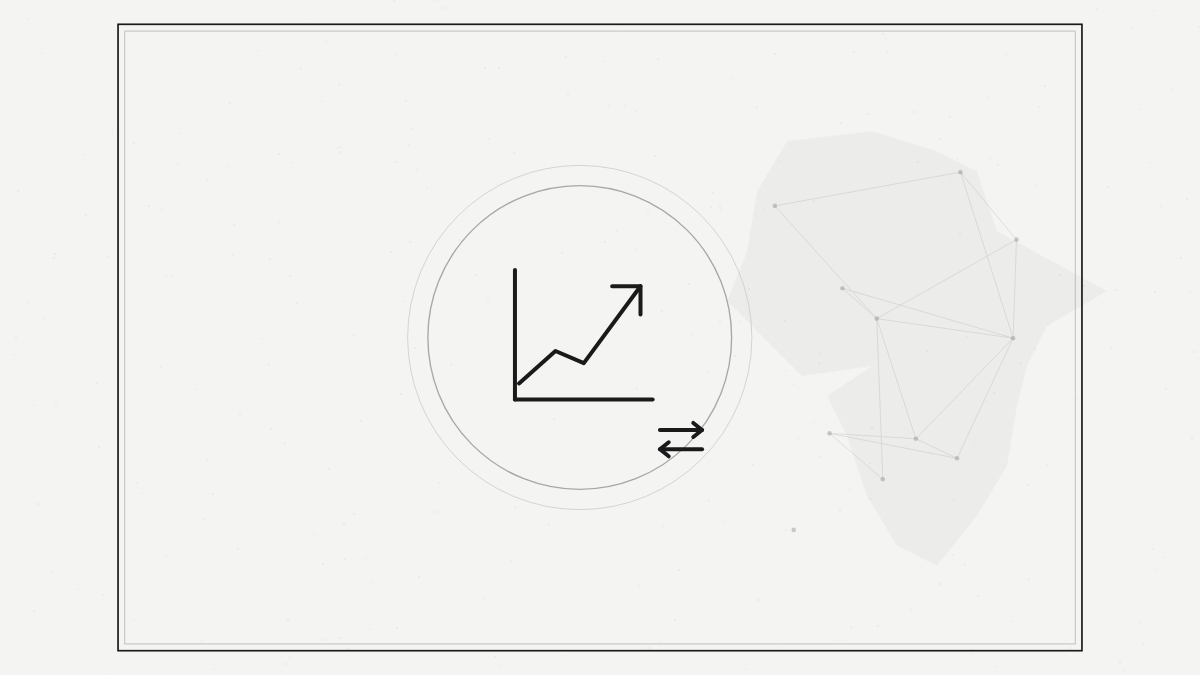
The headlines say fragmentation; the cargo data say something steadier. Global trade volumes rose in April after falling in March, a rebound that held despite persistent geopolitical tension. For an economy whose prosperity depends almost entirely on selling into world markets, that resilience is more than a statistical curiosity. It is the difference between a trading system that still works and one that does not, and Botswana is among the economies with the most riding on the answer.
Botswana is close to a textbook open economy: a small domestic market, a heavy reliance on exports, and prosperity built on access to buyers abroad. It cannot grow by selling to itself. So when world trade proves more durable than the gloomier commentary feared, the channels Botswana relies on, for diamonds, beef and the tourism that brings the world to Maun and Kasane, stay open. The April figures are a reminder that, beneath the noise of trade tension, goods are still moving.
Resilience Matters More for Small Economies
A large economy can lean on domestic demand when trade falters; a country of Botswana's size cannot. As world trade rose in April in a fresh sign of resilience, the practical meaning for Gaborone is that the diamond, beef and tourism flows on which the budget depends are operating within a functioning, not a fracturing, system. For an economy with no large internal market to fall back on, an open world is not a convenience but a precondition for growth.
This is the first part of the article. The full article is on Cabanga Magazine, from the publishers of the regional business magazines in Africa.
Read the full article on Cabanga Magazine