 Apparel and workwear
 Building supplies
 Medical supplies
 Fitness equipment
 Energy and power
 Industrial equipment
 Livestock supplies
 Mining supplies
 Stationery supplies
 Events and catering equipment
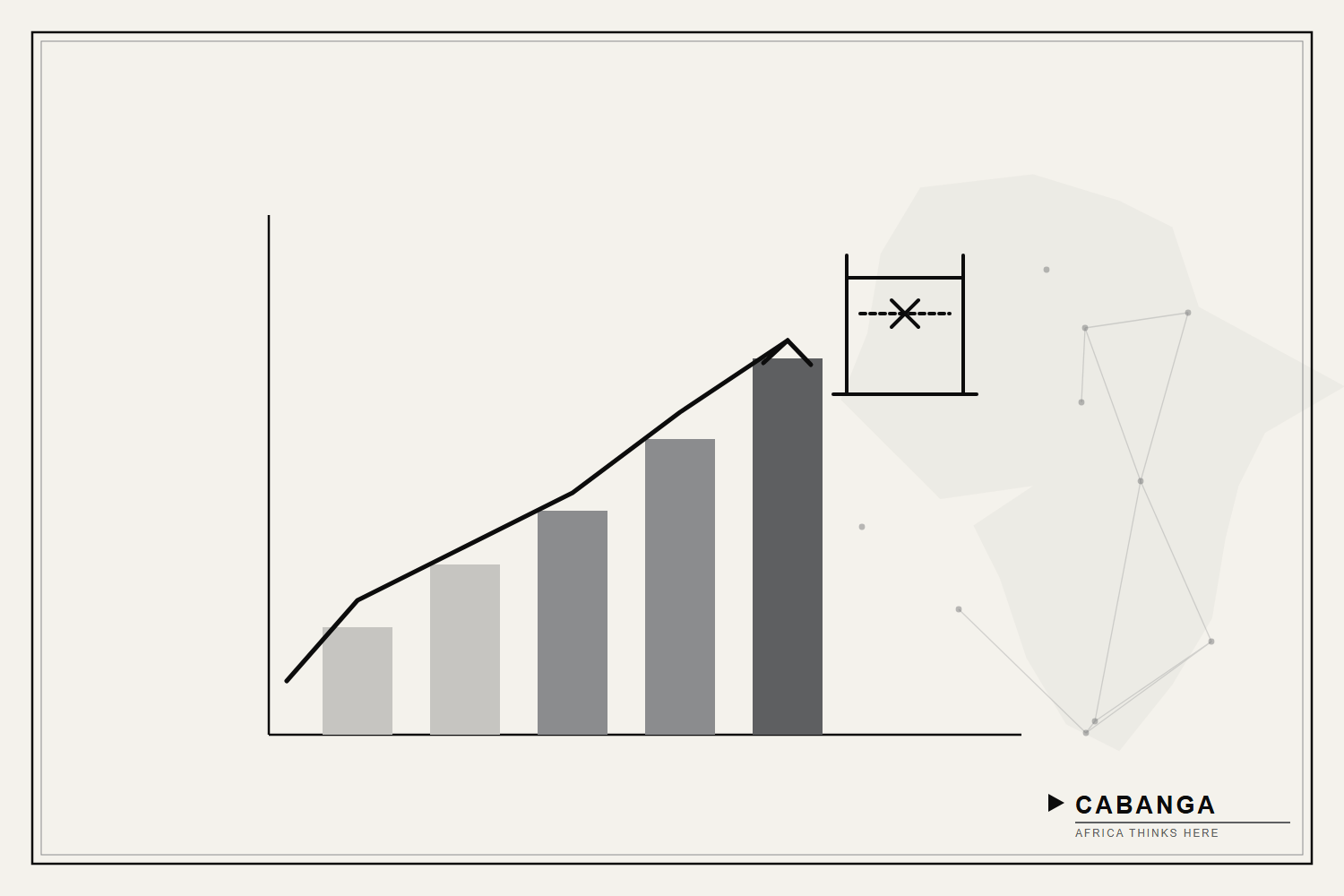
Every model of a tighter labour market assumes that scarcity buys something in return — higher output, better skills, a productivity dividend that justifies the higher wage bill. The exodus of migrant workers now under way across South African sectors threatens the opposite: wages that rise because labour has become harder to find, with no corresponding gain in what that labour produces.
Cabinet has acknowledged the economic stakes of the current climate, and its own statement following the meeting of 6 May 2026 frames migration and stability as matters of national economic management rather than security alone. For operators, the practical question is narrower and more immediate: what happens to margins when a workforce thins out faster than it can be replaced.
The Scarcity That Does Not Buy Productivity
Migrant labour in South Africa concentrates in specific, often physically demanding, corners of the economy — construction, agriculture, hospitality, domestic and informal services. These are roles where output depends on hands available at short notice, not on scarce credentials. Remove a share of that workforce through intimidation, displacement or departure, and the immediate effect is a shortage, not an upgrade.
This is the first part of the article. The full article is on Cabanga Magazine, from the publishers of the regional business magazines in Africa.
Read the full article on Cabanga Magazine