Apparel and workwear
 Building supplies
 Medical supplies
 Fitness equipment
 Energy and power
 Industrial equipment
 Livestock supplies
 Mining supplies
 Stationery supplies
 Events and catering equipment
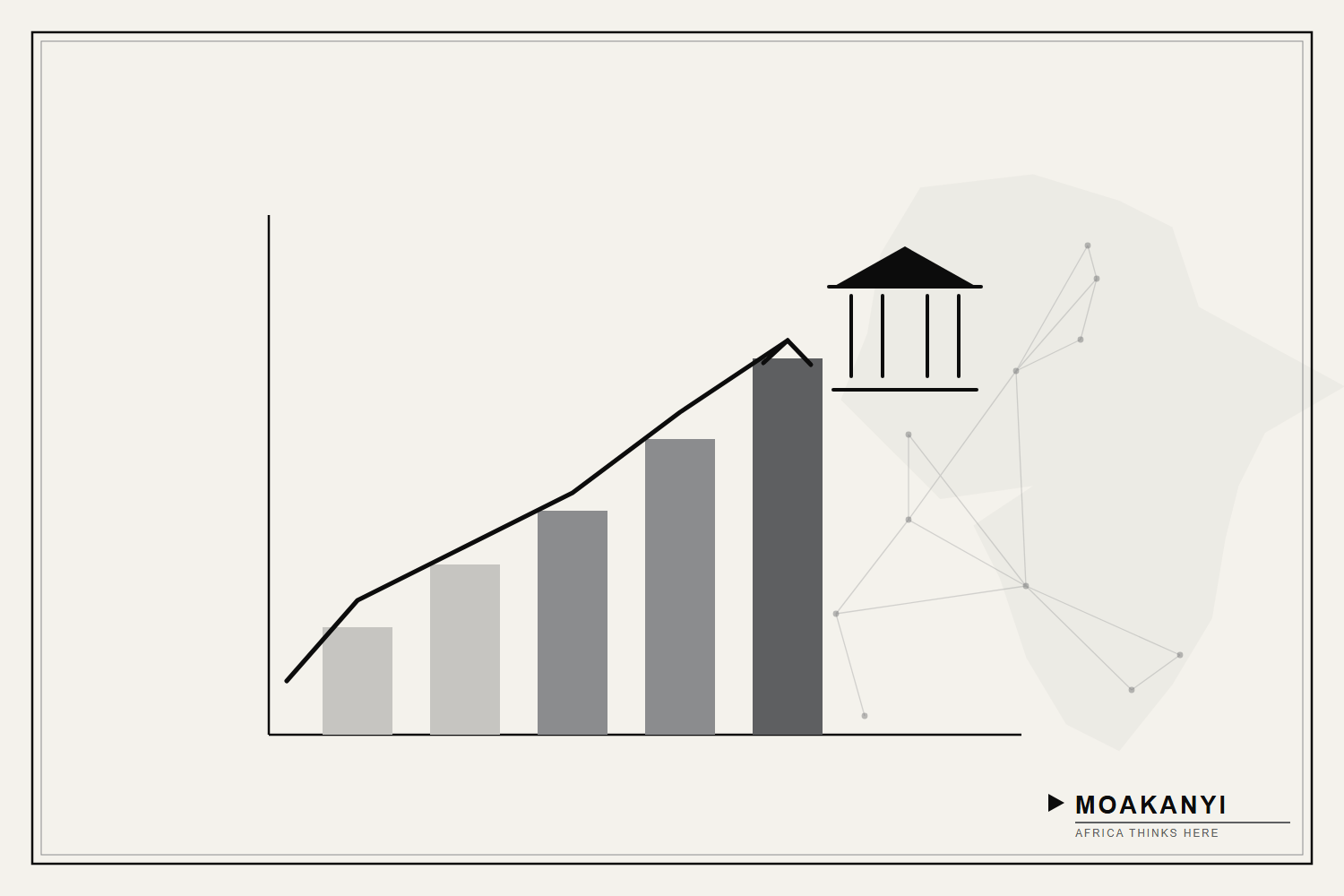
Inflation figures are usually read for their headline. The more useful information often sits underneath it. In March 2026, Botswana's headline inflation rose to 4.2 percent, up from 4.0 percent — a small move that could be dismissed as noise. But the trimmed mean, a measure that strips out the most volatile price swings to show the underlying trend, sat higher at 4.8 percent. The headline ticked up a little. The core was already running warmer. The gap between the two is where the real signal lives.
The Headline: A Modest Rise Driven by the Usual Suspects
A move from 4.0 to 4.2 percent is the kind of increase that, taken alone, says little. Transport and food are the categories typically behind such shifts, and both are the prices households feel most directly — at the fuel pump and at the till. They are also among the most exposed to forces Botswana does not control: imported fuel costs, regional supply conditions, and the exchange rate against the currencies the country buys in.
This is the first part of the article. The full article is on Cabanga Magazine, from the publishers of the regional business magazines in Africa.
Read the full article on Cabanga Magazine