Apparel and workwear
 Building supplies
 Medical supplies
 Fitness equipment
 Energy and power
 Industrial equipment
 Livestock supplies
 Mining supplies
 Stationery supplies
 Events and catering equipment
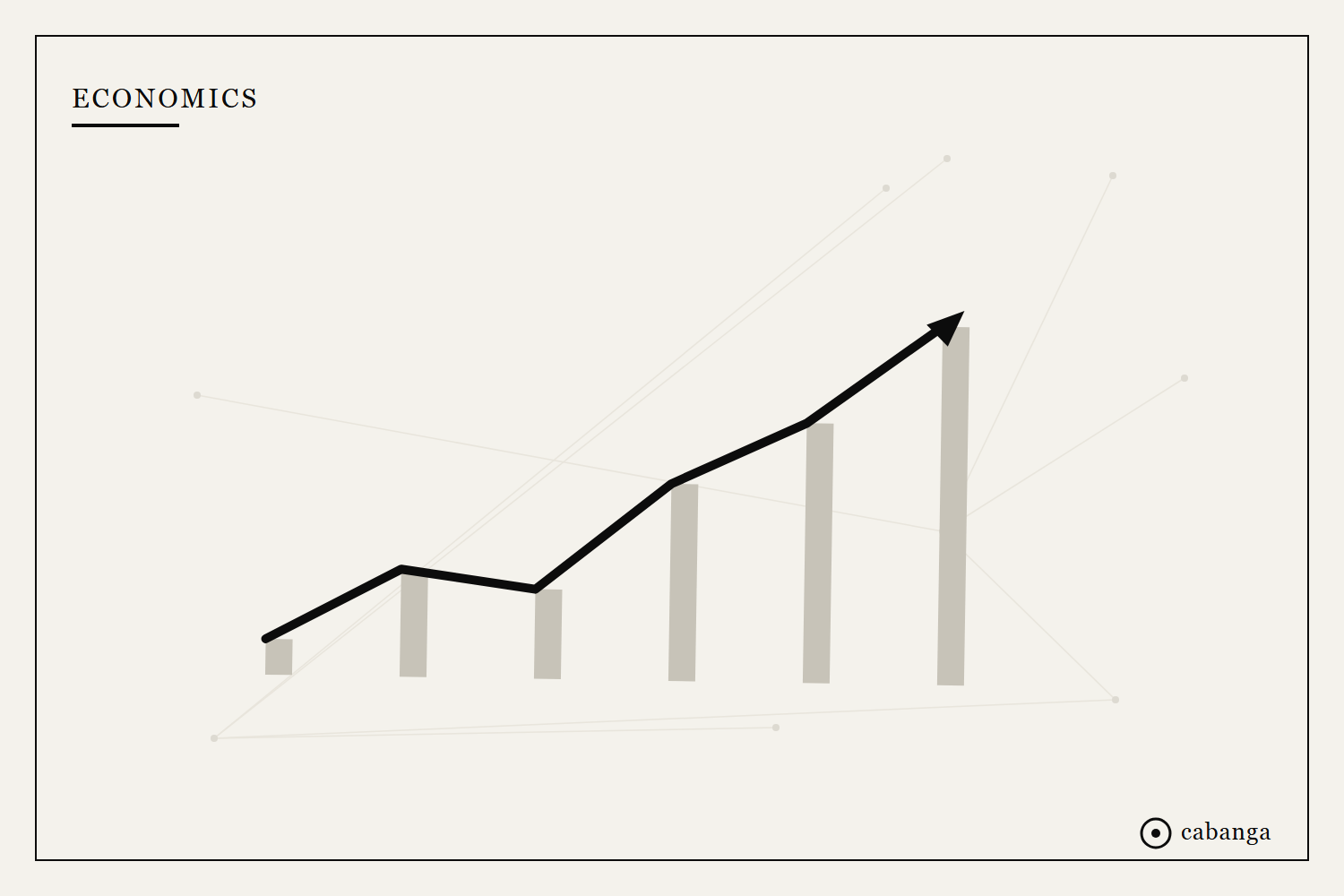
In development studies, the global value chain (GVC) describes the people and activities involved in the production of a good or service and its supply, distribution, and post-sales activities (also known as the supply chain) when activities must be coordinated across geographies.
Here is an extract from the World Bank Report on Global Economics.
International trade expanded rapidly after 1990, powered by the rise of global value chains (GVCs). This expansion enabled an unprecedented convergence: poor countries grew faster and began to catch up with richer countries. Poverty fell sharply.
These gains were driven by the fragmentation of production across countries and the growth of connections between fi rms. Parts and components began crisscrossing the globe as fi rms looked for efficiencies wherever they could find them.
Productivity and incomes rose in countries that became integral to GVCs—Bangladesh, China, and Vietnam, among others. The steepest declines in poverty occurred in precisely those countries.
Today, however, it can no longer be taken for granted that trade will remain a force for prosperity. Since the global financial crisis of 2008, the growth of trade has been sluggish, and the expansion of GVCs has slowed. The last decade has seen nothing like the transformative events of the 1990s—the integration of China and Eastern Europe into the global economy and major trade agreements such as the Uruguay Round and the North American Free Trade Agreement (NAFTA).
At the same time, two potentially serious threats have emerged to the successful model of labour-intensive, trade-led growth. First, the arrival of labour-saving technologies such as automation and 3D printing could draw production closer to the consumer and reduce the demand for labour at home and abroad.
This is the first part of the article. The full article is on Cabanga Magazine, from the publishers of the regional business magazines in Africa.
Read the full article on Cabanga Magazine