Apparel and workwear
 Building supplies
 Medical supplies
 Fitness equipment
 Energy and power
 Industrial equipment
 Livestock supplies
 Mining supplies
 Stationery supplies
 Events and catering equipment
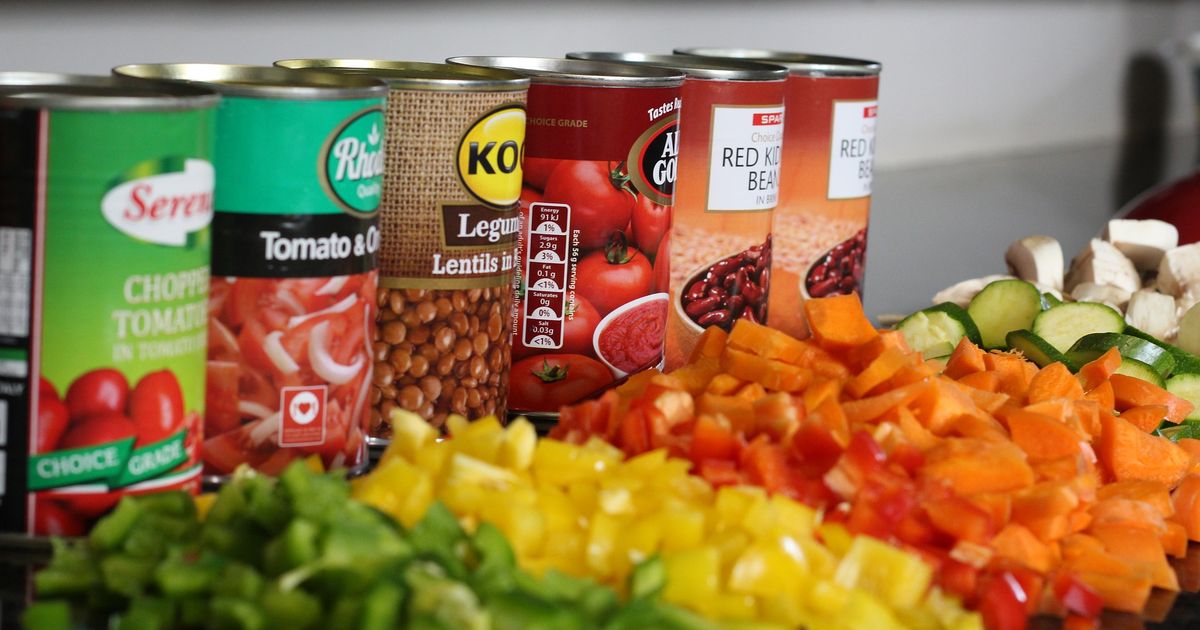
Sanctions, or talk of sanctions, toward Russia create opportunities for the African Agricultural Economy, especially fertilizer production amongst other things. Throwing threats and executing them are two different things, and what lies between must be an impact assessment on the Global Economy, instead of just thinking of immediate harm to the Russian economy. A post Russian sanctions simulation is necessary to bring perspective.
Without starving its people, US, UK, or EU, cannot afford to impose sanctions on Russia, and Nitrogen Fertilizers is amongst the top reasons, as Russia is the leading exporter of this essential raw material.
Nitrogen fertilizers are the most used straight fertilizers in Europe, and the US, where the largest food exporter countries and in the world are. Nitrogen fertilizers are supplied in three forms, ammonia, nitrate, and urea.
The background to Russia being a major player in the global agricultural economy today is centred on past sanctions as ones that are about to be imposed again. During the past two decades, Russia has been a larger agricultural importer than exporter in value terms, because it exports mainly bulk crops while it imports high value products, such as livestock goods (meat and dairy), fruit and vegetables, and processed food, Russian Journal of Economics wrote.
However, the economic crisis and import ban of 2014–2015 cut the country’s agricultural imports by about a third, so that the country currently has only a small agricultural trade deficit. High growth in domestic meat production since 2000, as well as various trade controls, is also reducing imports. This is evidence of a country able to take in any sanction imposed and turn it into an advantage and future weapon.
Today, sanctions imposed include nitrogen fertilizers.
The world will not be able to meet its food production goals without biotechnology and improved genetics, and without fertilizer; commercial fertilizer is responsible for 40 to 60 percent of the world’s food production, Crop Manager reported. The FAO estimates that 37 countries are facing a food crisis. The Millennium Project (2008) State of the Future report attributes the food crisis to increased demand for food in developing nations, high oil prices, biofuels, high fertilizer prices, low global cereal stocks and market speculation.
This is the first part of the article. The full article is on Cabanga Magazine, from the publishers of the regional business magazines in Africa.
Read the full article on Cabanga Magazine