Apparel and workwear
 Building supplies
 Medical supplies
 Fitness equipment
 Energy and power
 Industrial equipment
 Livestock supplies
 Mining supplies
 Stationery supplies
 Events and catering equipment
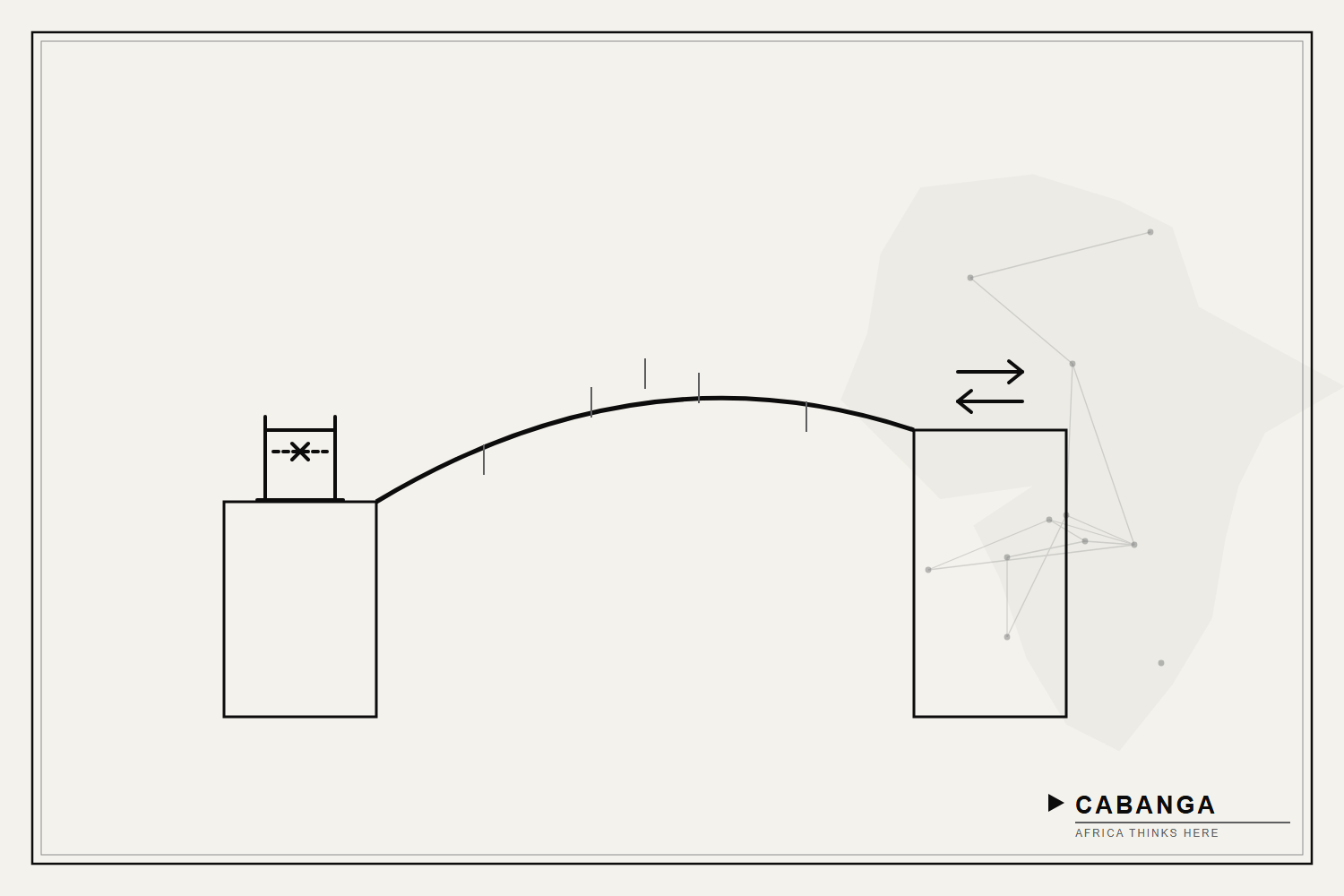
A landlocked economy has no coastline of its own, so it borrows someone else’s. For Zimbabwe, Zambia, Malawi and the eastern reaches of the SADC region, that borrowed coastline runs through South Africa, up the N3 from the port of Durban and out across the Beitbridge frontier to Harare and beyond. These corridors are the physical circulatory system of southern African trade. When social unrest or intensified migration enforcement disrupts them, the damage does not stop at the roadside; it travels the length of the route into economies that have no alternative.
That is the exposure hiding inside the current wave of anti-migrant tension. South Africa’s own government has kept the situation under active review, with successive Cabinet statements addressing migration and stability, a signal that the issue is being managed at the highest level. For firms whose supply chains ride these corridors, the operative question is narrower and more urgent: what happens to the route when the politics turns hot.
The Corridor as Infrastructure: One Road, Many Economies
The N3 and the Beitbridge crossing are not merely South African assets; they are shared regional infrastructure. Fuel, food, machinery and consumer goods bound for landlocked SADC states move along them daily, and the timing of that movement is tightly wound. A corridor works because it is predictable. Trucks are scheduled, border processing is planned, and inventory downstream is calibrated to expected arrival. Predictability is the product.
This is the first part of the article. The full article is on Cabanga Magazine, from the publishers of the regional business magazines in Africa.
Read the full article on Cabanga Magazine