 Apparel and workwear
 Building supplies
 Medical supplies
 Fitness equipment
 Energy and power
 Industrial equipment
 Livestock supplies
 Mining supplies
 Stationery supplies
 Events and catering equipment

Big companies have buffers - cash reserves, diversified markets, cheaper credit and a finance team paid to see trouble coming. Small ones have a month or two of runway and a single bank manager who has stopped returning calls. So when a global growth downgrade arrives, the headline lands on conglomerates but the pressure lands on the middle market. That asymmetry is the story for Botswana, where small and medium enterprises carry the employment that the mines and the state cannot.
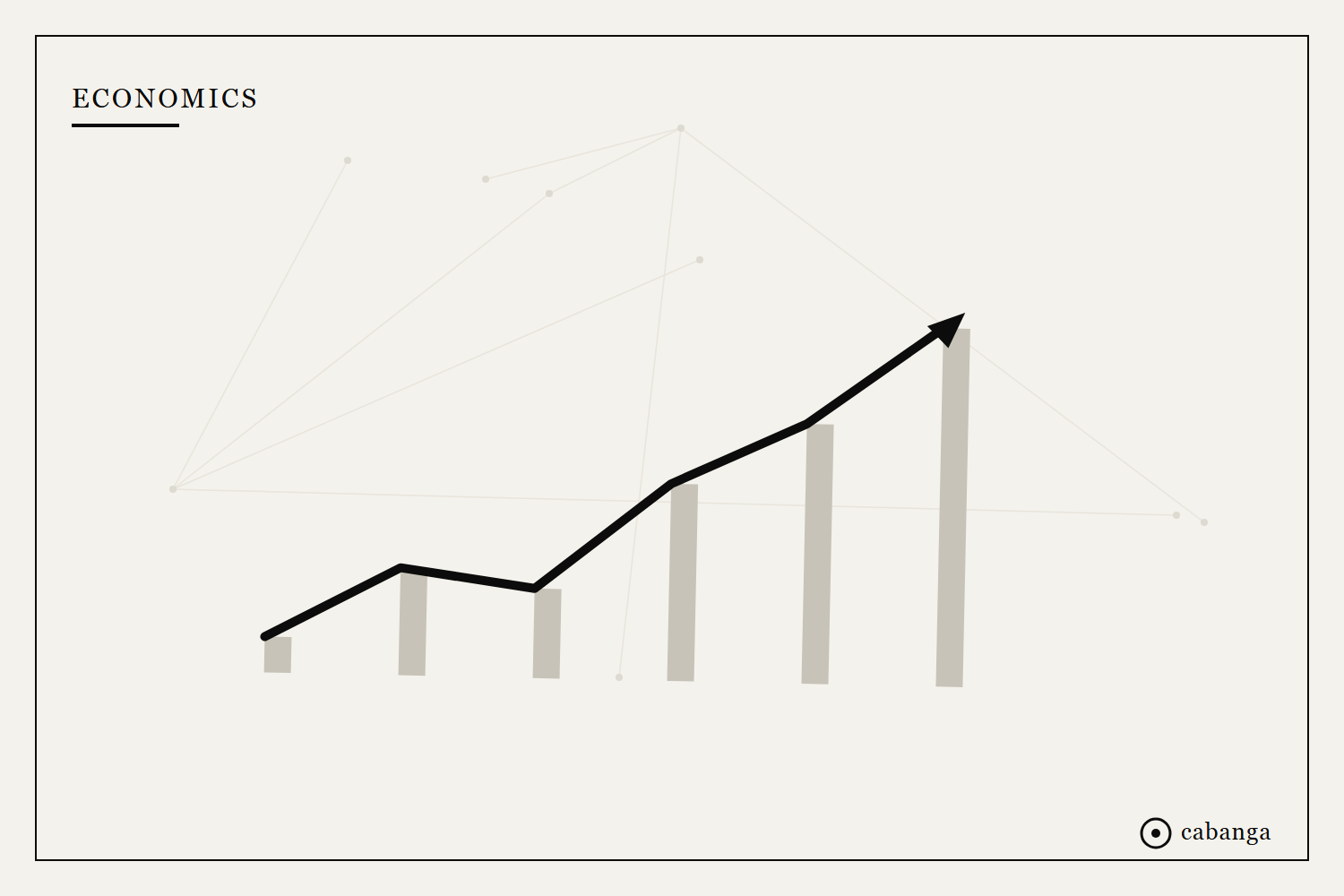
The number itself is sobering. The World Bank cut its global growth outlook to 2.5 percent and warned of a drop to 1.3 percent if war fallout spreads. For a Gaborone supplier or a Francistown workshop, that is not an abstraction debated in a conference hall. It is the demand curve they are about to walk into, and the order book that is about to thin.
Why Size Decides Survival:
A downgrade tightens credit, weakens currencies and trims orders. A conglomerate spreads that shock across regions and product lines, so a bad quarter in one market is offset by a steadier one elsewhere. An SME absorbs the whole of it in a single balance sheet. The same percentage drop in revenue that a large firm treats as a manageable dip can be terminal for a business with thin margins and no access to patient capital.
This is the first part of the article. The full article is on Cabanga Magazine, from the publishers of the regional business magazines in Africa.
Read the full article on Cabanga Magazine