
 Apparel and workwear
 Building supplies
 Medical supplies
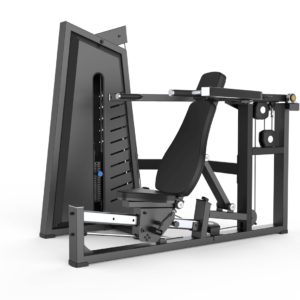 Fitness equipment
 Energy and power
 Industrial equipment
 Livestock supplies
 Mining supplies
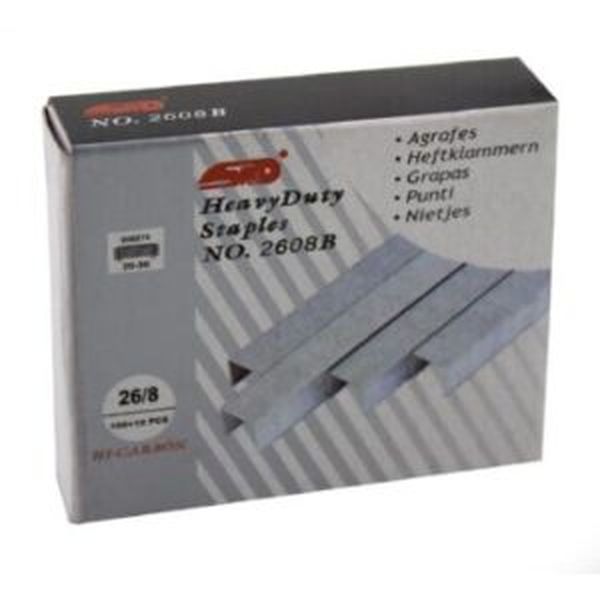 Stationery supplies
 Events and catering equipment

Made in China 2025 is a national strategic plan and industrial policy of China to further develop its manufacturing sector by rapidly developing ten high-tech industries.
These industries include new energy vehicles, next-generation information technology, biotechnology, advanced robotics, aerospace equipment and new materials. The goal is to reduce China’s dependence on foreign technology and promote Chinese technological manufacturers in the global marketplace by the year 2025. The plan draws direct inspiration from Germany’s Industry 4.0 plan, which aims to apply the tools of information technology to production3.
Made in China 2025 has been seen as a threat to global trade by some countries, especially the United States, which accuses China of unfair trade practices such as forced technology transfer, intellectual property theft and state subsidies.
The plan has also faced some challenges due to the US-China trade war, the COVID-19 pandemic and domestic issues such as overcapacity and debt. However, China has not abandoned its ambition to become a global leader in innovation and manufacturing. It has recently adopted a new strategy called “dual circulation”, which focuses on both domestic consumption and international markets
"Made in China 2025" has clear principles, goals, tools, and sector focus.
Its guiding principles are to have manufacturing be innovation-driven, emphasize quality over quantity, achieve green development, optimize the structure of Chinese industry, and nurture human talent.
The goal is to comprehensively upgrade Chinese industry, making it more efficient and integrated so that it can occupy the highest parts of global production chains. The plan identifies the goal of raising domestic content of core components and materials to 40% by 2020 and 70% by 2025.
Although there is a significant role for the state in providing an overall framework, utilizing financial and fiscal tools, and supporting the creation of manufacturing innovation centers (15 by 2020 and 40 by 2025), the plan also calls for relying on market institutions, strengthening intellectual property rights protection for small and medium-sized enterprises (SMEs) and the more effective use of intellectual property (IP) in business strategy, and allowing firms to self-declare their own technology standards and help them better participate in international standards setting.
This is the first part of the article. The full article is on Cabanga Magazine, from the publishers of the regional business magazines in Africa.
Read the full article on Cabanga Magazine