Apparel and workwear
 Building supplies
 Medical supplies
 Fitness equipment
 Energy and power
 Industrial equipment
 Livestock supplies
 Mining supplies
 Stationery supplies
 Events and catering equipment
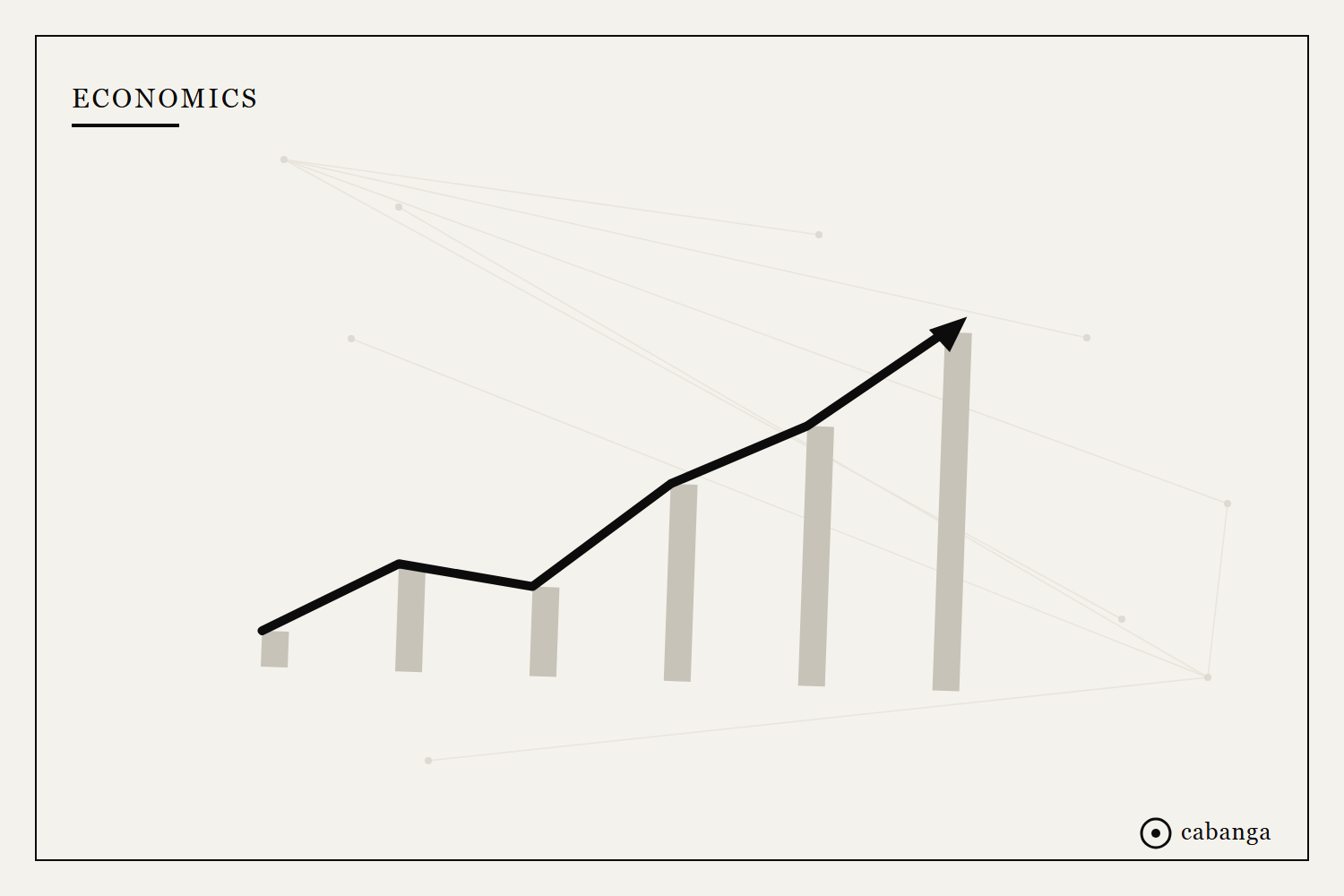
Currency markets price politics faster than politicians can give speeches, and for weeks the rand had been pricing in a bad outcome — a 30% American tariff hanging over South African exports while a US trade probe ran its course. Then, on 4 June 2026, the currency firmed to about R16.28 against the dollar. The move was not driven by growth or commodities. It was driven by Pretoria saying the right thing at the right moment.
The Trigger: A Probe Defused, Not Ended
The rand's strengthening followed a specific intervention. South Africa's trade ministry reaffirmed the country's compliance with labour standards, the issue at the heart of a United States Section 301 investigation. In response, the proposed American tariff dropped to 12.5% from the threatened 30% — a reduction large enough to change the calculus for exporters and, with them, for the currency.
Section 301 is the mechanism Washington uses to act unilaterally against trade practices it deems unfair, and the threat of a 30% levy on South African goods was a material risk to sectors that depend on access to the US market. Cutting that figure to 12.5% does not remove the risk, but it converts an existential threat into a manageable cost. Markets, which had braced for the worse number, repriced toward the better one. The takeaway: the rand did not rally on strength; it rallied on a risk being downgraded.
This is the first part of the article. The full article is on Cabanga Magazine, from the publishers of the regional business magazines in Africa.
Read the full article on Cabanga Magazine