Apparel and workwear
 Building supplies
 Medical supplies
 Fitness equipment
 Energy and power
 Industrial equipment
 Livestock supplies
 Mining supplies
 Stationery supplies
 Events and catering equipment
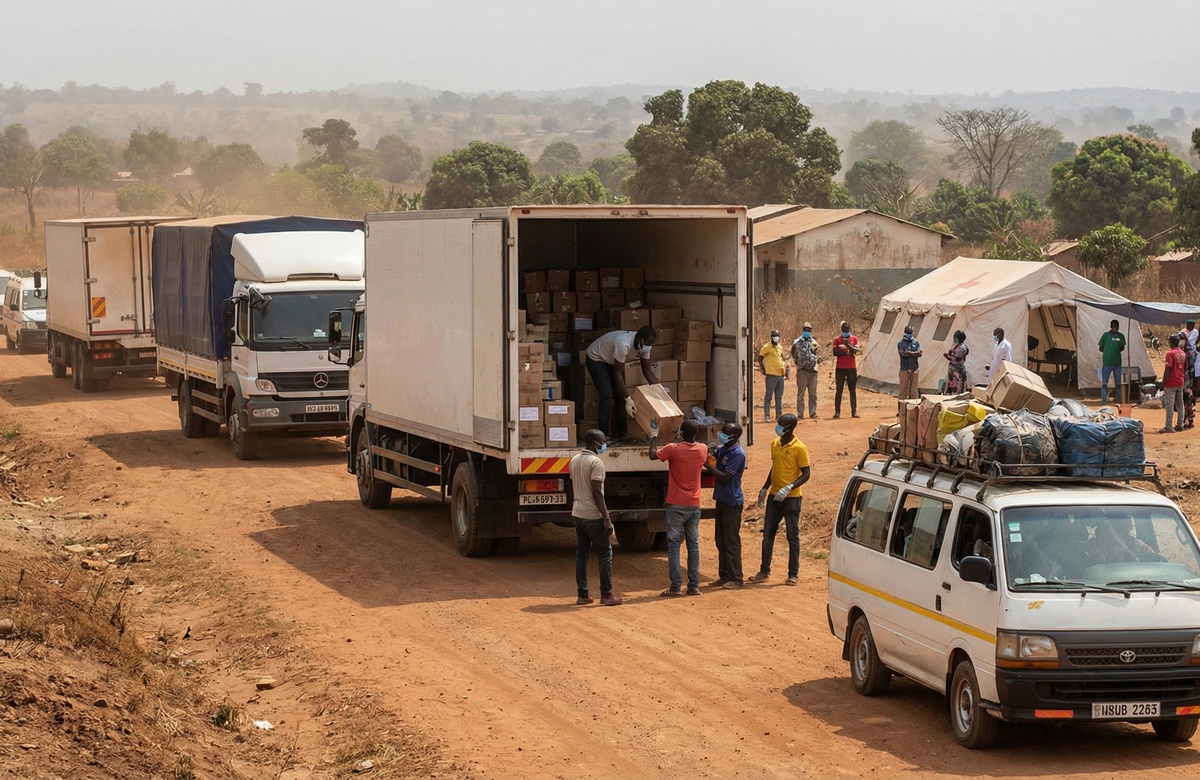
While over-concentration emerges as the biggest challenge supply chains are facing through COVID-19, increased awareness of bottlenecks, a proliferation of intra-regional cooperation and flexibility of production lines emerge as very positive dynamics.
It’s an understatement that COVID-19 is disrupting global supply chains. The coronavirus pandemic has had a huge impact on financial markets and trade ecosystem triggered by an unprecedented global supply and demand shock. But it is also forcing businesses across the world to assess their supply concentration risks and to consider opportunities and ways of working previously set-aside such as automation and the use of data and AI tools to derive insights.
Complexity of modern supply chains
We live in a hyperconnected world. Modern supply chains are longer and more complex, often spanning multiple countries across continents. An Airbus A380, for example, has approximately 4 million parts, coming from more than 1000 suppliers across 30 markets. The rise of mainland China as the factory of the world, continued growth of the Asian tiger economies and globalisation in general have all contributed to undeniable interdependencies.
This is the first part of the article. The full article is on Cabanga Magazine, from the publishers of the regional business magazines in Africa.
Read the full article on Cabanga Magazine