Apparel and workwear
 Building supplies
 Medical supplies
 Fitness equipment
 Energy and power
 Industrial equipment
 Livestock supplies
 Mining supplies
 Stationery supplies
 Events and catering equipment
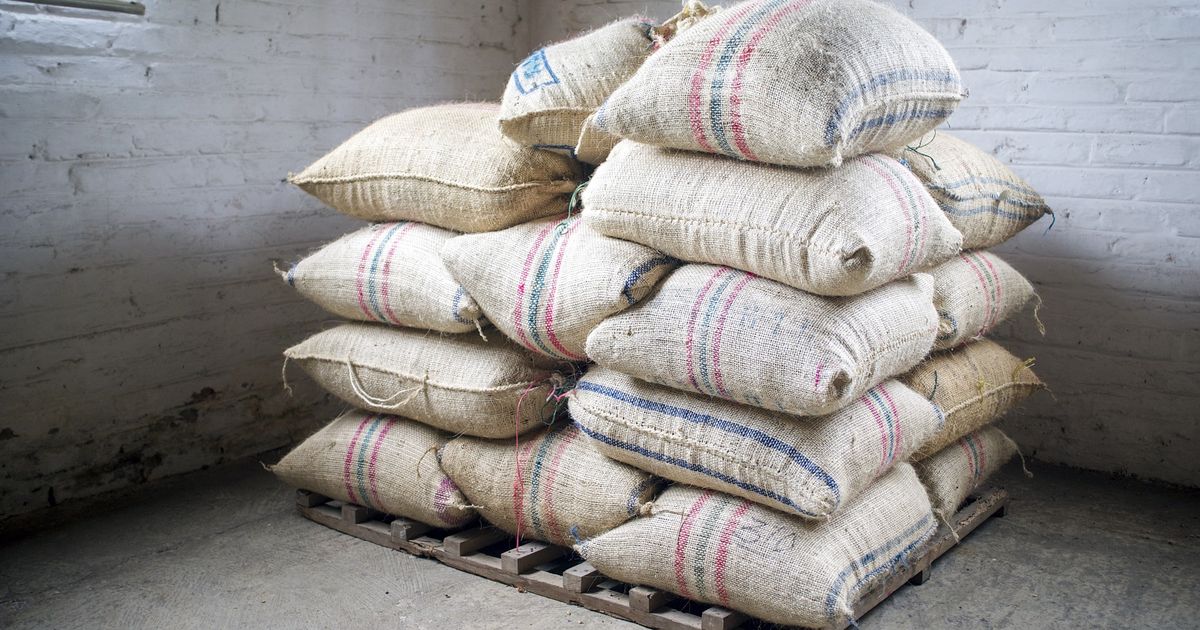
The maize value chain in South Africa plays a pivotal role in food security, economic stability, and industrial production. From farmers and millers to traders and exporters, every participant contributes to maintaining a reliable supply of maize across local and international markets.
Here is a detailed look at each step within the maize value chain and insights for businesses aiming to participate effectively within it. There is a lot of potential for the maize market, but it is important to navigate it from the beginning to the end of the value chain.
Maize’s Economic and Industrial Role Maize is South Africa’s most important grain crop, with white maize primarily consumed as food and yellow maize used mainly for animal feed. The industry contributes to several sectors, supplying inputs for paper, paint, textiles, and even biofuels. With its dual role in human consumption and industrial processing, maize ensures food security while generating significant foreign currency through exports.
Breaking Down the Value Chain: Key Stakeholders and Activities The maize market is segmented into three sectors—primary, secondary, and tertiary—each contributing to moving maize efficiently from the field to the consumer.
Primary Sector: Farming, Inputs, and Storage Input Suppliers: Companies like Monsanto, Pioneer Hybrid, and Pannar dominate the seed market, providing high-yielding cultivars that improve productivity. Farmers also rely on fertilizers, pesticides, and machinery to boost their output.
Producers (Farmers): The Free State, North West, and Mpumalanga provinces account for 83% of maize production. While most maize is grown on dryland farms, less than 10% relies on irrigation. The choice between dryland and irrigation farming affects yield reliability and market prices.
This is the first part of the article. The full article is on Cabanga Magazine, from the publishers of the regional business magazines in Africa.
Read the full article on Cabanga Magazine