Apparel and workwear
 Building supplies
 Medical supplies
 Fitness equipment
 Energy and power
 Industrial equipment
 Livestock supplies
 Mining supplies
 Stationery supplies
 Events and catering equipment

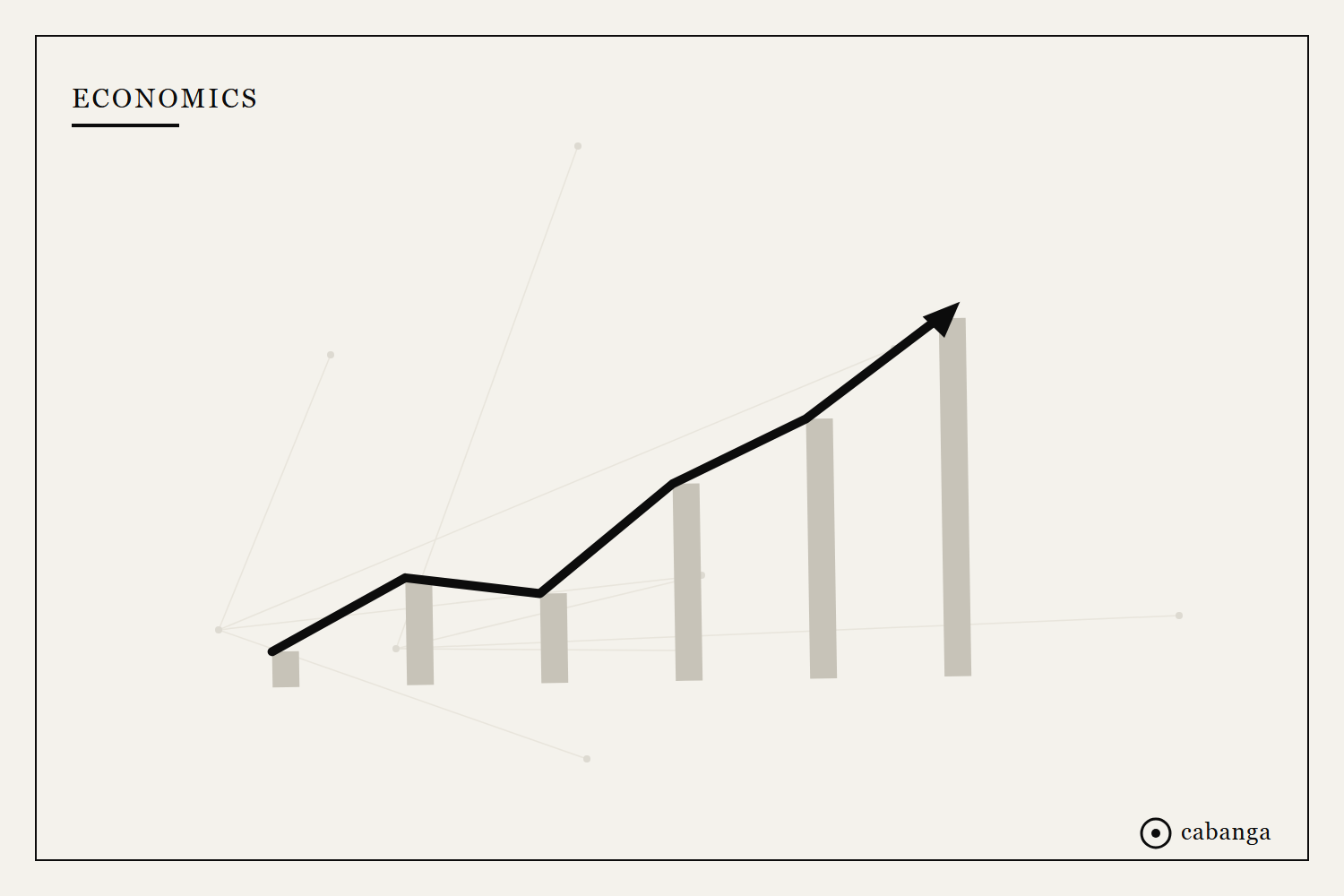
Like a gold rush, there is a race for the “Send Money Home” market in Africa, as Money Transfer is on the rise, with remittance flows to Africa expected to exceed US$50 billion in 2022.
There are several Money Transfer Operators (MTOs), large multinational retailers and commercial banks competing in the African money transfer corridors, as the average amount sent rose from US$60 in 2017 to US$200 in 2020.
This article exams research reports compiled by RemiSCOPE Research, Finmark Trust Research, and World Bank, in relation to the landscape and opportunities available in Africa for financial services provision, focusing on South Africa as a base market for “Sending Money Home”.
An insight into the Money Transfer industry is evidence of growth of Import-Export businesses, and micro-economic developments in local communities in the receiving countries. It would be interesting, for example, for a Building Materials supplier based in Johannesburg, to invest in creating contacts in Zimbabwe, Mozambique, Tanzania, Lesotho, Zambia, and other African countries, in order to find ways to export their products, as all financial movements are indicating growth or access to capital in those markets.
The most influential money transfer market is South Africa, and from it a host of global, regional, and local MTOs and Banks are taking the lead in dominating territories and other market segments. According to RemiSCOPE, the market leaders include Western Union, Mama Money, Cassava Fintech, Mukuru, Standard Bank, MoneyGram, Hello Paisa, Mama Money, Mukuru, Shoprite, SPAR, PEP Stores and Pick n Pay, and more.
Regionally, in Southern Africa, Remittances are an important source of income for households in the Southern African Development Community (SADC), as well as a crucial source of foreign exchange for countries in the region. Despite the relatively large inflows of remittances to SADC, the cost of sending money to and within the region is significantly higher than other regions in the world.
Notwithstanding these challenges, several new and innovative MTOs are emerging in a few remittance corridors in SADC. Leveraging new technologies, MTOs have begun offering innovative mobile and online-based remittance services, placing competitive pressure on incumbent MTOs, particularly in the South Africa–Zimbabwe and South Africa–Lesotho remittance corridors. Scaling up these new services, encouraging widespread consumer uptake, and promoting an enabling environment for innovation will be crucial to further reducing the cost of remittances in the region.
This is the first part of the article. The full article is on Cabanga Magazine, from the publishers of the regional business magazines in Africa.
Read the full article on Cabanga Magazine