Apparel and workwear
 Building supplies
 Medical supplies
 Fitness equipment
 Energy and power
 Industrial equipment
 Livestock supplies
 Mining supplies
 Stationery supplies
 Events and catering equipment
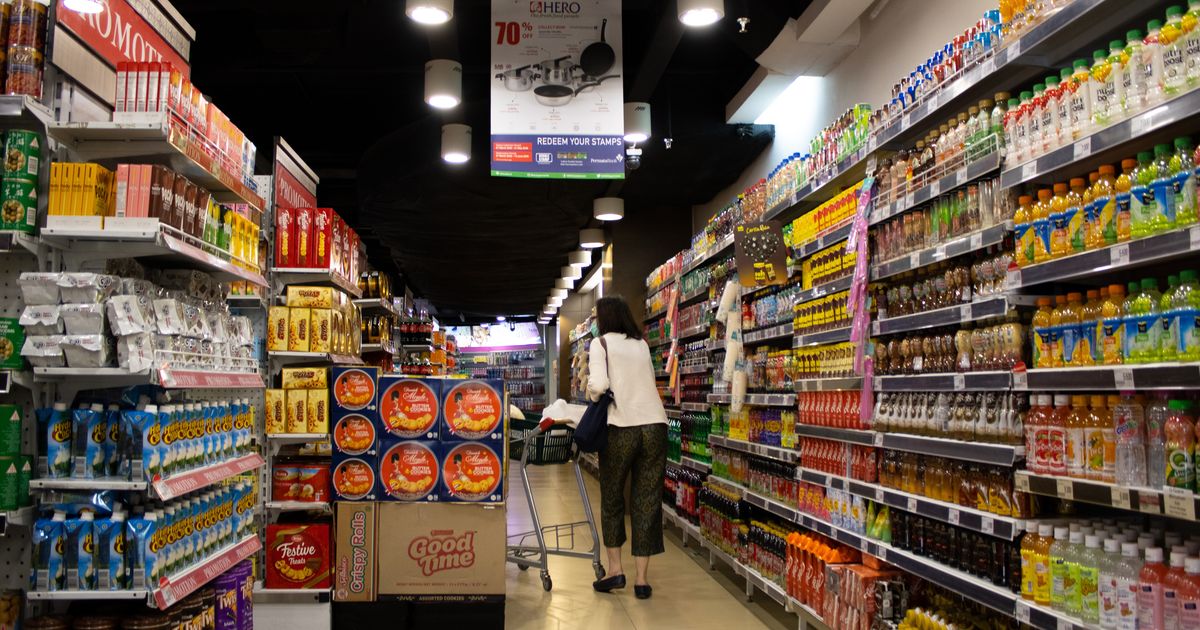
Walk into a supermarket in Gaborone, Maputo or Harare and most of the manufactured goods on the shelf did not come from a neighbouring SADC state. Intra-regional trade across the Southern African Development Community sits at around 20% of total trade, which means that for all the summit language about regional integration, consumers across the bloc still buy most of what they consume from outside it. That is the gap SADC Industrialisation Week, which opened in Johannesburg on 31 July 2017, was convened to address, and it is a gap consumers experience directly, in price and in choice, long before it shows up in any trade statistic.
The event, hosted jointly by South Africa's Department of Trade and Industry, the Department of International Relations and Cooperation, the SADC Secretariat and the Southern African Business Forum, ran under the theme "Partnering with the Private Sector in Developing Industry and Regional Value Chains." Mr Kgabo Mahoa, South Africa's Director-General in the Department of International Relations and Cooperation, opened proceedings.
For South African consumer-facing businesses and the households they serve, the relevant question is not whether the region has an industrial strategy, it does, but whether that strategy changes what appears on shelves, at what price, and how it is bought.
From Factory Floor to Shopfront
SADC's industrialisation strategy names three priority growth paths: agro-processing, mineral beneficiation and downstream processing, and service-driven value chains. Each has a direct line to consumer experience. Agro-processing determines whether regionally grown food reaches consumers as raw produce or as packaged, branded goods. Mineral beneficiation determines whether regional metals leave as ore or return as finished consumer products such as appliances or components. Service-driven value chains, the least visible of the three, cover the retail, logistics and digital platforms that actually put goods in front of buyers.
This is the first part of the article. The full article is on Cabanga Magazine, from the publishers of the regional business magazines in Africa.
Read the full article on Cabanga Magazine