Apparel and workwear
 Building supplies
 Medical supplies
 Fitness equipment
 Energy and power
 Industrial equipment
 Livestock supplies
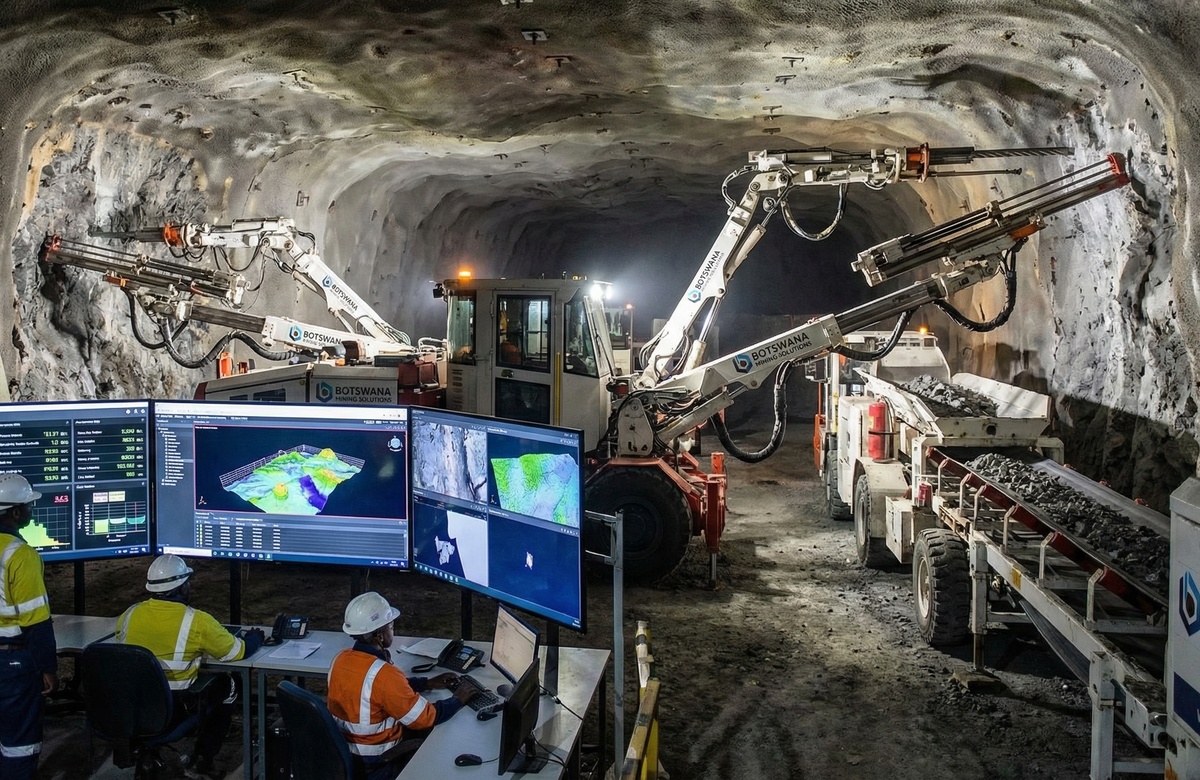
 Mining supplies
 Stationery supplies
 Events and catering equipment
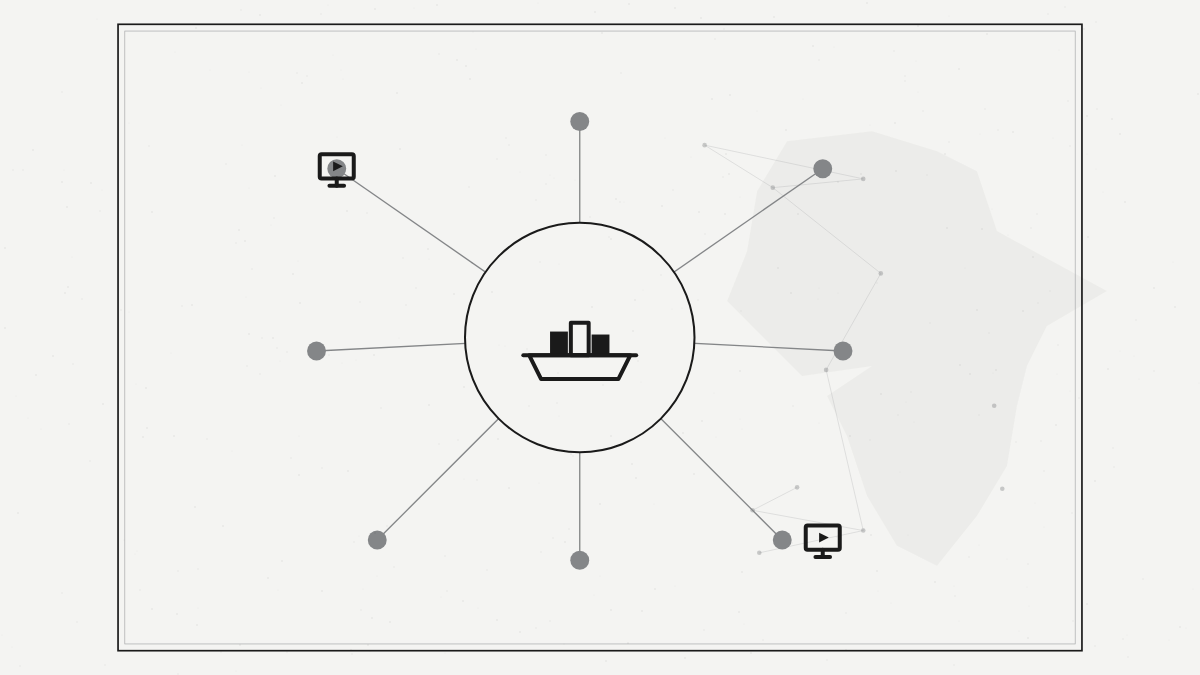
Trade data usually reads as good news or bad news. The April figures were more interesting than that. World trade rose in April in a fresh sign of resilience, but part of that strength came from a defensive instinct: global traders stockpiling goods ahead of tariff and shipping risk. Buying early to beat an expected disruption is not the same as healthy demand. It is insurance, booked as inventory.
For Botswana, a country whose every import arrives over a border and down a long road, that distinction matters - because stockpiling abroad changes what reaches the shelf here, and when. The country sits at the end of supply chains it does not control, and the decisions of distant traders ripple into local availability with a lag that local businesses must learn to anticipate rather than discover.
The Warehouse as a Hedge
When firms stockpile against tariff and shipping risk, they are converting uncertainty into stored goods. For a landlocked market, the logic is even sharper: the distance from port to shelf already adds cost and time, so any added shipping risk is amplified by geography. A Gaborone importer who reads the same signals as the global traders may choose to hold more stock, earlier, to avoid being caught short when a route tightens.
This is the first part of the article. The full article is on Cabanga Magazine, from the publishers of the regional business magazines in Africa.
Read the full article on Cabanga Magazine