Apparel and workwear
 Building supplies
 Medical supplies
 Fitness equipment
 Energy and power
 Industrial equipment
 Livestock supplies
 Mining supplies
 Stationery supplies
 Events and catering equipment
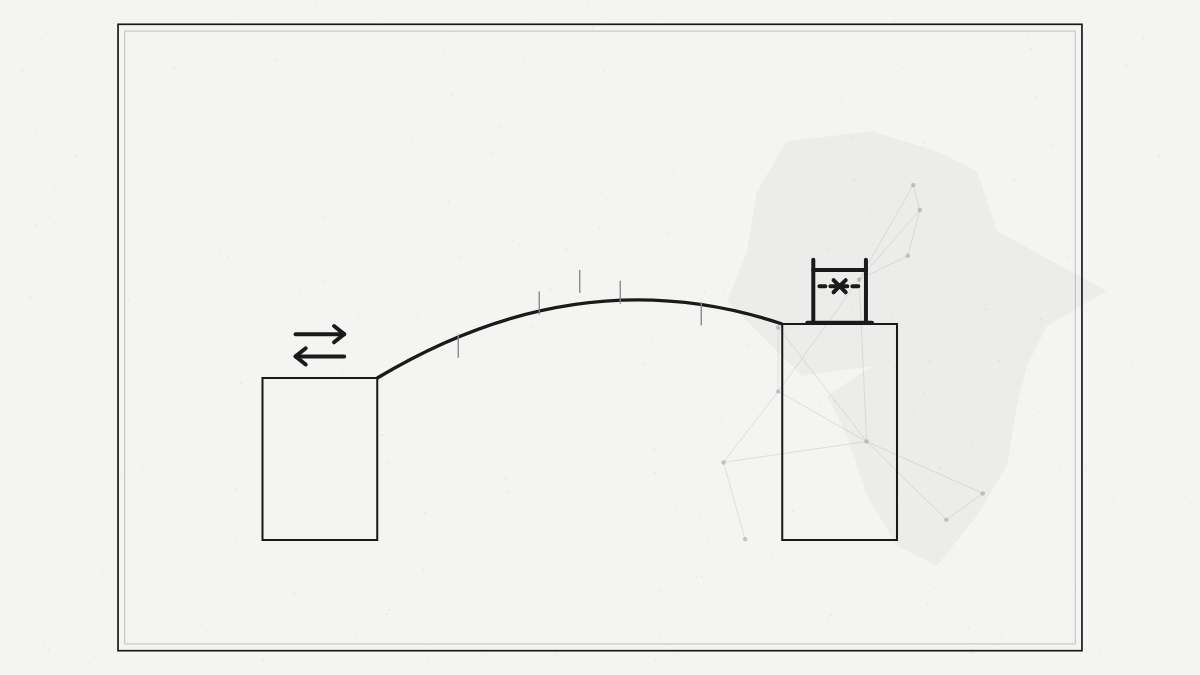
A bridge is only as useful as the institution that runs it. Since the Kazungula Bridge opened across the Zambezi, it has been the physical link between Botswana and Zambia and a key node on the north-south corridor that carries copper, fuel and consumer goods between the port of Durban and the Copperbelt. What it has lacked is a permanent joint body to operate it. A February 2026 addendum signed by the two governments sets out to fix that, establishing the Kazungula Bridge Authority to run the bridge and its one-stop border post.
Hosted on Botswana's side, the Authority is the governance layer the crossing has been waiting for. The infrastructure was the easy part; agreeing who operates it, how revenue is shared and how two sovereign systems coordinate at one border is the work that turns a structure into a functioning trade gateway.
The Gap: Concrete Outpaced Governance
Cross-border infrastructure routinely opens before the institution to manage it is fully settled. The bridge could carry trucks long before a standing authority existed to coordinate maintenance, revenue collection, staffing and the daily friction of two bureaucracies meeting at one border. The addendum closes that gap by creating a body with a clear mandate over both the bridge and the one-stop border post, replacing ad hoc coordination with a permanent operator accountable to both states.
This is the first part of the article. The full article is on Cabanga Magazine, from the publishers of the regional business magazines in Africa.
Read the full article on Cabanga Magazine