Apparel and workwear
 Building supplies
 Medical supplies
 Fitness equipment
 Energy and power
 Industrial equipment
 Livestock supplies
 Mining supplies
 Stationery supplies
 Events and catering equipment
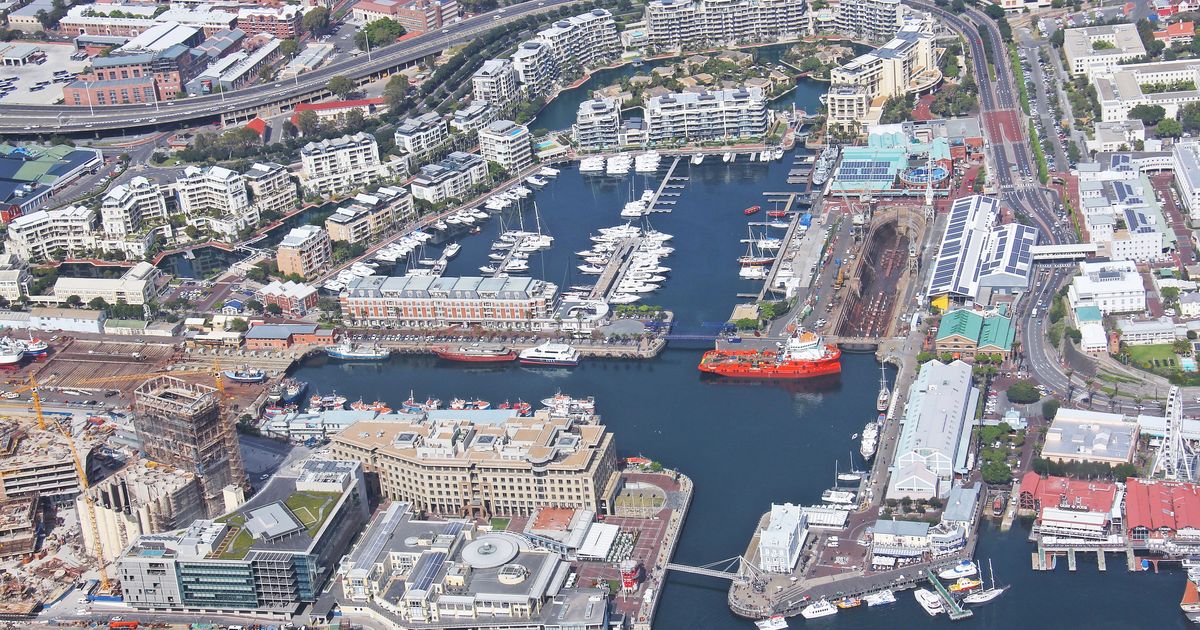
The country-risk line for South Africa is usually a single number, applied from Musina to Cape Point as though the republic responded to shock as one body. The wave of anti-migrant marches that emptied streets and closed shopfronts across Johannesburg, Durban and Cape Town exposes the flaw in that convenience: the risk is not national and evenly spread. It is local, textured and priced differently from one metro to the next.
When major cities shuttered ahead of the protests, the disruption arrived unevenly. A march that paralyses an inner-city district in Gauteng does not carry the same weight as one in a coastal tourism corridor, or in a township high street where migrant traders anchor the daily basket. Treating these as interchangeable is how a portfolio misprices its exposure.
The Uneven Map: One Country, Several Risk Climates
South Africa’s cities were built on different economic spines, and Afrophobic pressure lands on each along its own fault line. Johannesburg and the wider Gauteng city-region concentrate financial services, corporate headquarters and dense migrant-run commerce, so a shutdown there registers first as lost trading days and interrupted logistics. Durban and eThekwini carry port throughput and manufacturing; friction there travels down supply chains far beyond the city limits. Cape Town leans on tourism, hospitality and a visible international brand, which makes it sensitive to a different currency altogether — perception.
This is the first part of the article. The full article is on Cabanga Magazine, from the publishers of the regional business magazines in Africa.
Read the full article on Cabanga Magazine