Apparel and workwear
 Building supplies
 Medical supplies
 Fitness equipment
 Energy and power
 Industrial equipment
 Livestock supplies
 Mining supplies
 Stationery supplies
 Events and catering equipment
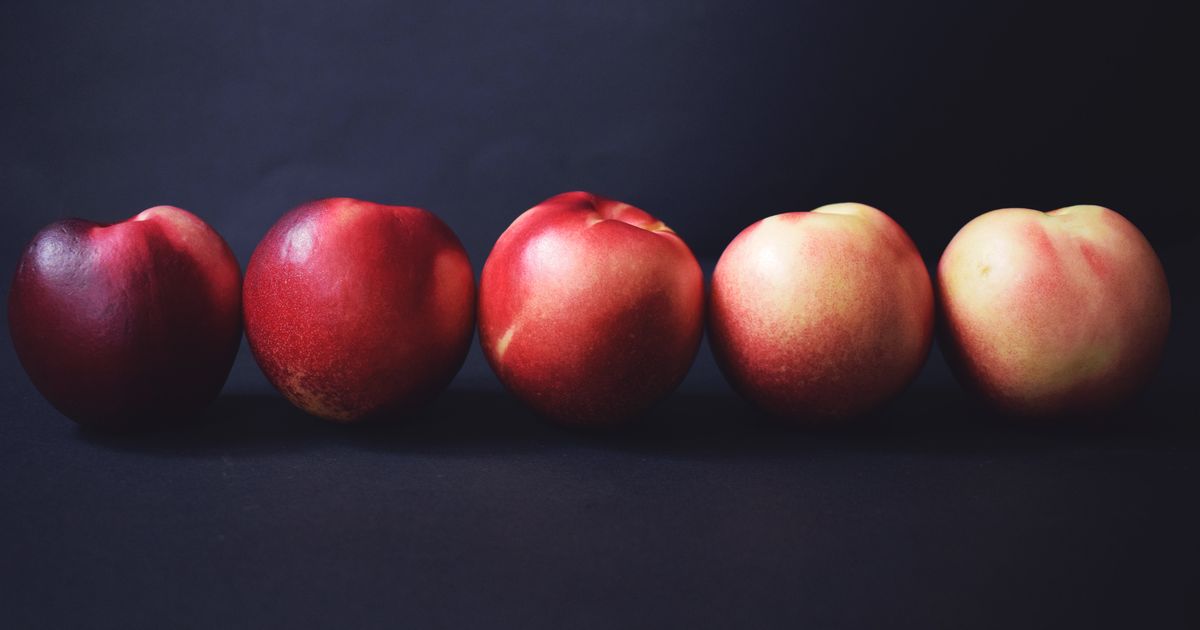
Walk through any supermarket in Gaborone and a large share of the fresh produce has crossed a border to get there. That is comfortable when global food prices are calm and uncomfortable when they are not. As world food-price pressure builds, the case for growing more of Botswana's vegetables inside Botswana stops being a sentiment and becomes a strategy.
The signal sits in the data. The FAO Food Price Index tracks the global cost of food month by month, and sustained pressure there feeds directly into what an import-dependent country pays at the till. Horticulture is the part of that bill Botswana can most realistically take back, because the demand is already domestic and the crops can be grown near the people who buy them.
Import Dependence as an Imported Price
When a country imports a large share of its fresh produce, it also imports the price volatility attached to it. Global food-price pressure becomes domestic inflation, and the consumer carries the difference. Local horticulture shortens that chain, replacing an imported price with one set closer to home and less exposed to distant shocks.
This is the first part of the article. The full article is on Cabanga Magazine, from the publishers of the regional business magazines in Africa.
Read the full article on Cabanga Magazine