 Apparel and workwear
 Building supplies
 Medical supplies
 Fitness equipment
 Energy and power
 Industrial equipment
 Livestock supplies
 Mining supplies
 Stationery supplies
 Events and catering equipment

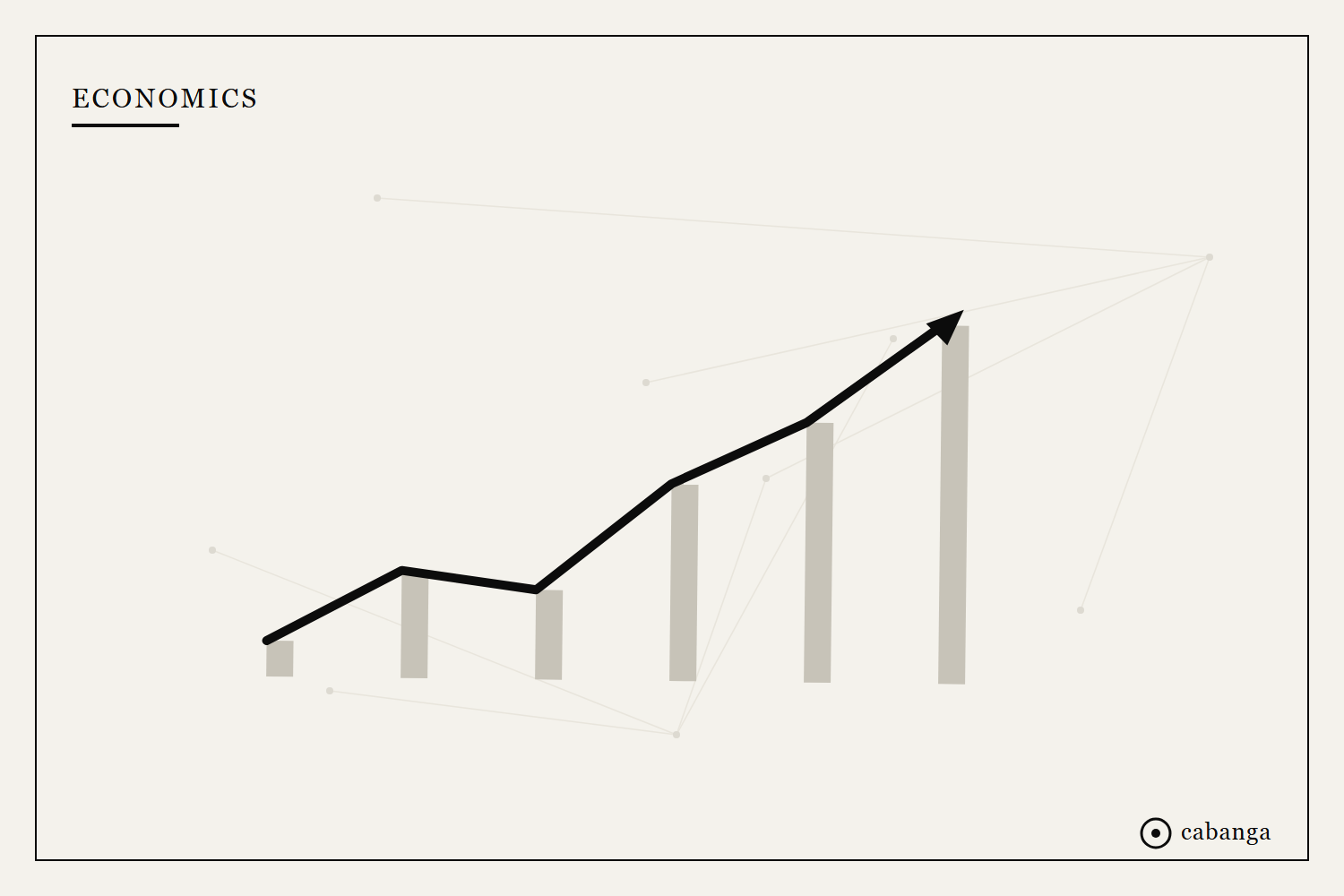
Botswana's wealth has long come out of the ground in carats, not crops. Agriculture employs and feeds far more people than it earns for the national accounts, a mismatch that has framed the diversification debate for a generation. At Masama Market in April 2026, Assistant Minister Baratiwa Mathoothe set agriculture an ambitious target: to become the country's top GDP contributor, displacing the minerals that have carried the economy since independence.
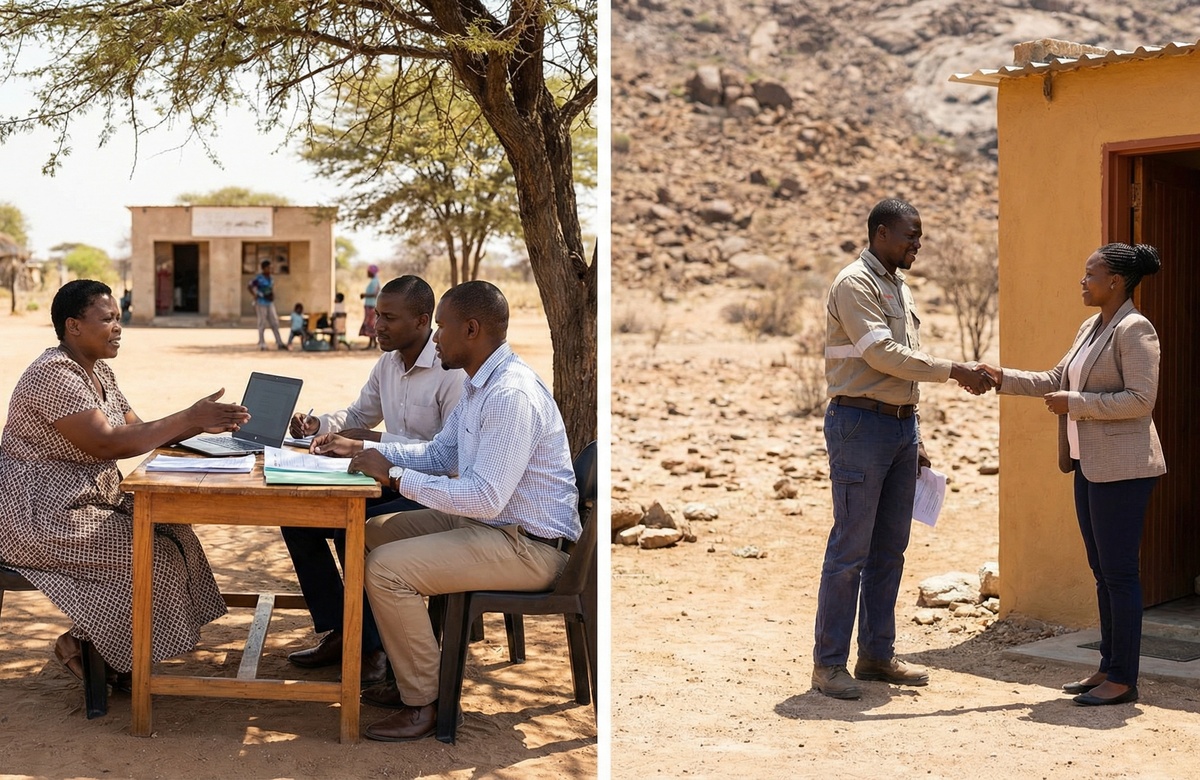
Getting there, he told farmers, runs through three shifts: forming cooperatives, leasing unused land and embracing agro-processing. None is novel on its own, but stated together they describe a coherent move from subsistence habits toward enterprise behaviour. Each addresses a different structural weakness in the sector, and the case for the target rests on whether all three can move at once.
The Scale Problem: Cooperatives Over Single Plots
Smallholders acting alone struggle to reach the volume that buyers, processors and lenders take seriously. A retailer wants consistent supply; a processor wants a steady throughput; a bank wants a borrower large enough to underwrite. The individual farmer with a few hectares meets none of these on their own. Cooperatives are the standard remedy: pooled output to fill larger orders, shared equipment to lower per-unit cost, and collective bargaining that shifts farmers from price-takers toward price-makers.
This is the first part of the article. The full article is on Cabanga Magazine, from the publishers of the regional business magazines in Africa.
Read the full article on Cabanga Magazine