Apparel and workwear
 Building supplies
 Medical supplies
 Fitness equipment
 Energy and power
 Industrial equipment
 Livestock supplies
 Mining supplies
 Stationery supplies
 Events and catering equipment
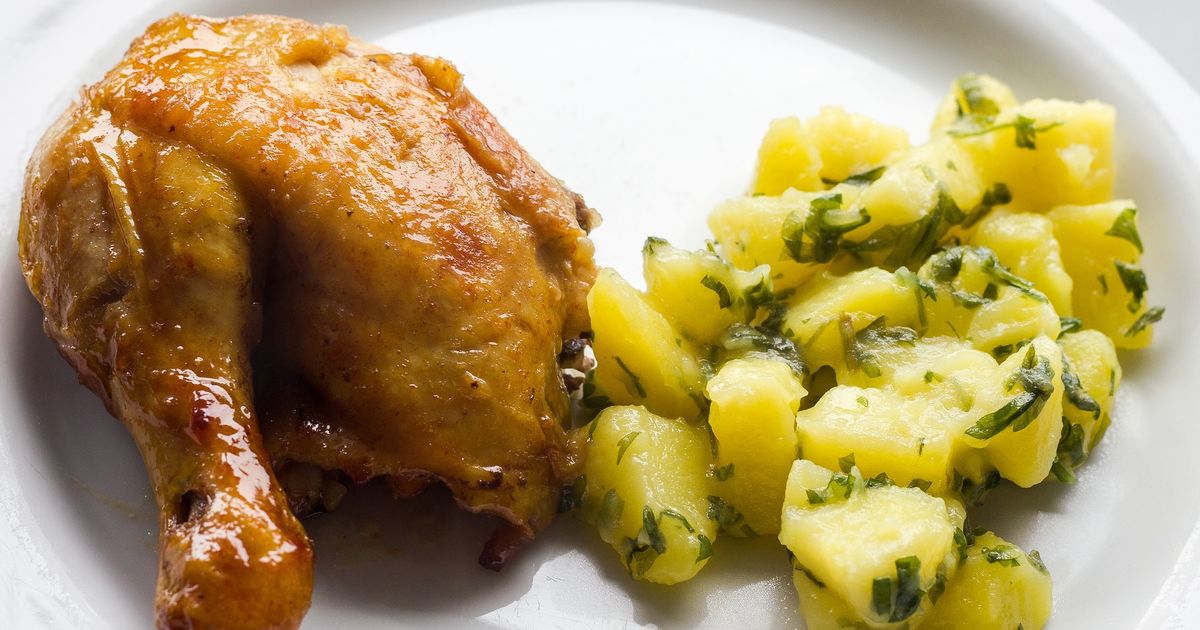
For the poultry farmer, the clock starts not when the bird leaves the shell, but when the egg first feels the warmth of incubation. The length of that journey - 16 days for a quail, 46 days for an ostrich - can determine how quickly capital returns, how often the market is supplied, and how predictable the farm’s cash flow becomes.
In an era where farming is both a technical craft and a business science, understanding incubation timelines is no longer optional - it’s a competitive advantage.
Incubation as a Financial Calendar
Incubation length is more than a biological fact - it’s a business cycle marker.
- Quail (16–23 days): With up to 17 cycles a year, quail offer rapid turnover for farmers seeking quick cash recovery and regular market presence.
- Chicken (21 days): The continental staple, balancing manageable cycles with broad consumer demand.
- Ostrich (42–46 days): Long incubation, fewer cycles, but potentially high single-unit value in meat, leather, and feathers.
This is the first part of the article. The full article is on Cabanga Magazine, from the publishers of the regional business magazines in Africa.
Read the full article on Cabanga Magazine