 Apparel and workwear
 Building supplies
 Medical supplies
 Fitness equipment
 Energy and power
 Industrial equipment
 Livestock supplies
 Mining supplies
 Stationery supplies
 Events and catering equipment
There is a familiar reflex in a crisis: bring the informal into the formal, license it, inspect it, tax it, control it. The reflex is not wrong. But applied to South Africa’s township distribution economy with the wrong speed and sequence, formalisation can destroy the very network it means to govern.
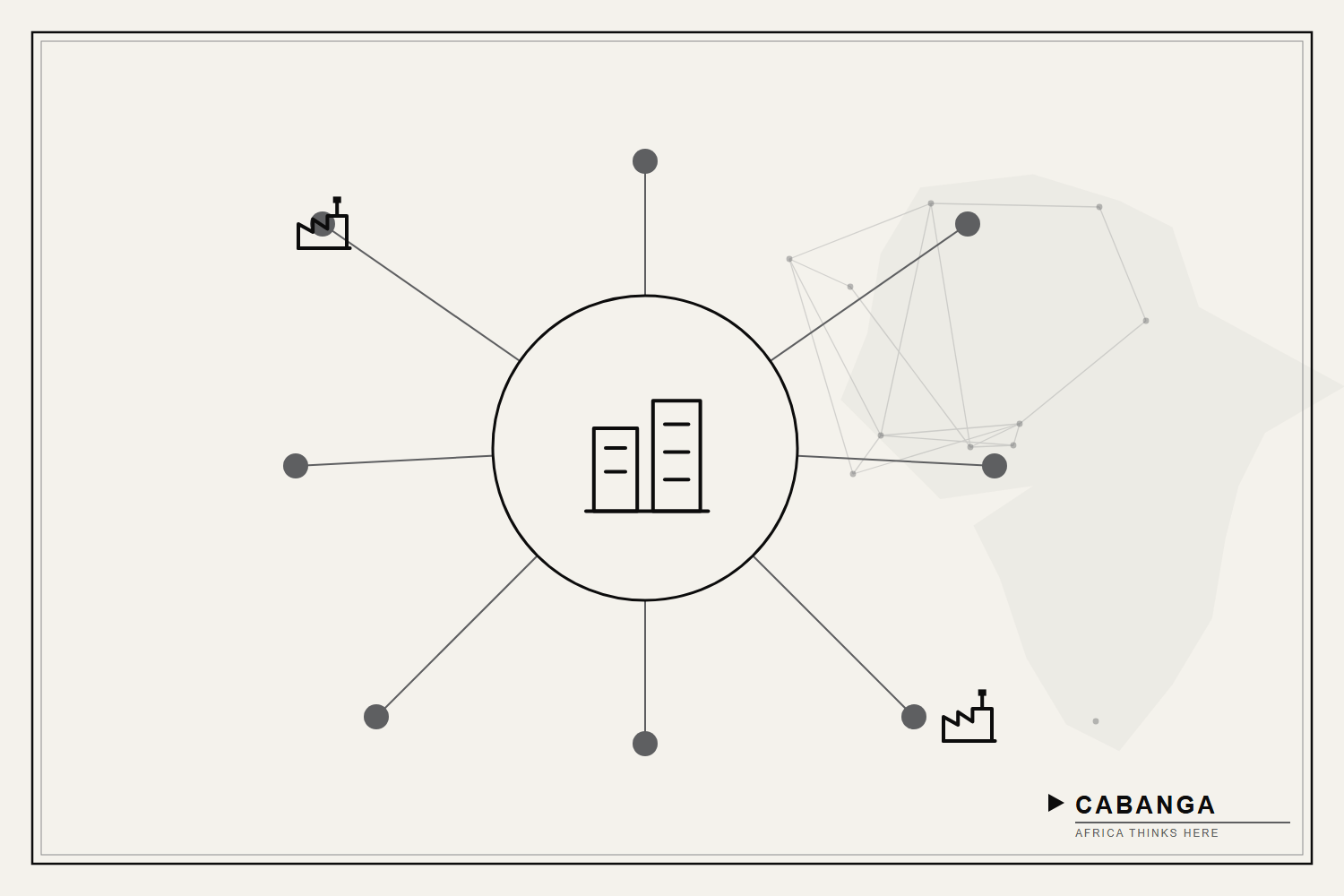
The spaza economy is not a collection of shops so much as a supply system. It moves bread, airtime, paraffin and staples through dense, low-margin, cash-based channels into neighbourhoods that formal retail serves thinly. The Cabinet statement of 6 May 2026 signals a tightening posture on compliance and enforcement. The question is not whether to formalise, but how to formalise without collapsing distribution for the households that depend on it.
The Network Is the Asset
A township supply chain is an infrastructure that no ministry built. Wholesalers, delivery runs, credit arrangements between suppliers and shopkeepers, and the shops themselves form a web tuned to serve customers who buy in small quantities, often on tight budgets, close to home. These are not luxuries deferred until a shop reopens; bread, airtime and paraffin are bought daily, which is why a gap in supply is felt within hours, not weeks. Much of this activity is migrant-operated, and much of it is informal by structure rather than by evasion.
This is the first part of the article. The full article is on Cabanga Magazine, from the publishers of the regional business magazines in Africa.
Read the full article on Cabanga Magazine