 Apparel and workwear
 Building supplies
 Medical supplies
 Fitness equipment
 Energy and power
 Industrial equipment
 Livestock supplies
 Mining supplies
 Stationery supplies
 Events and catering equipment

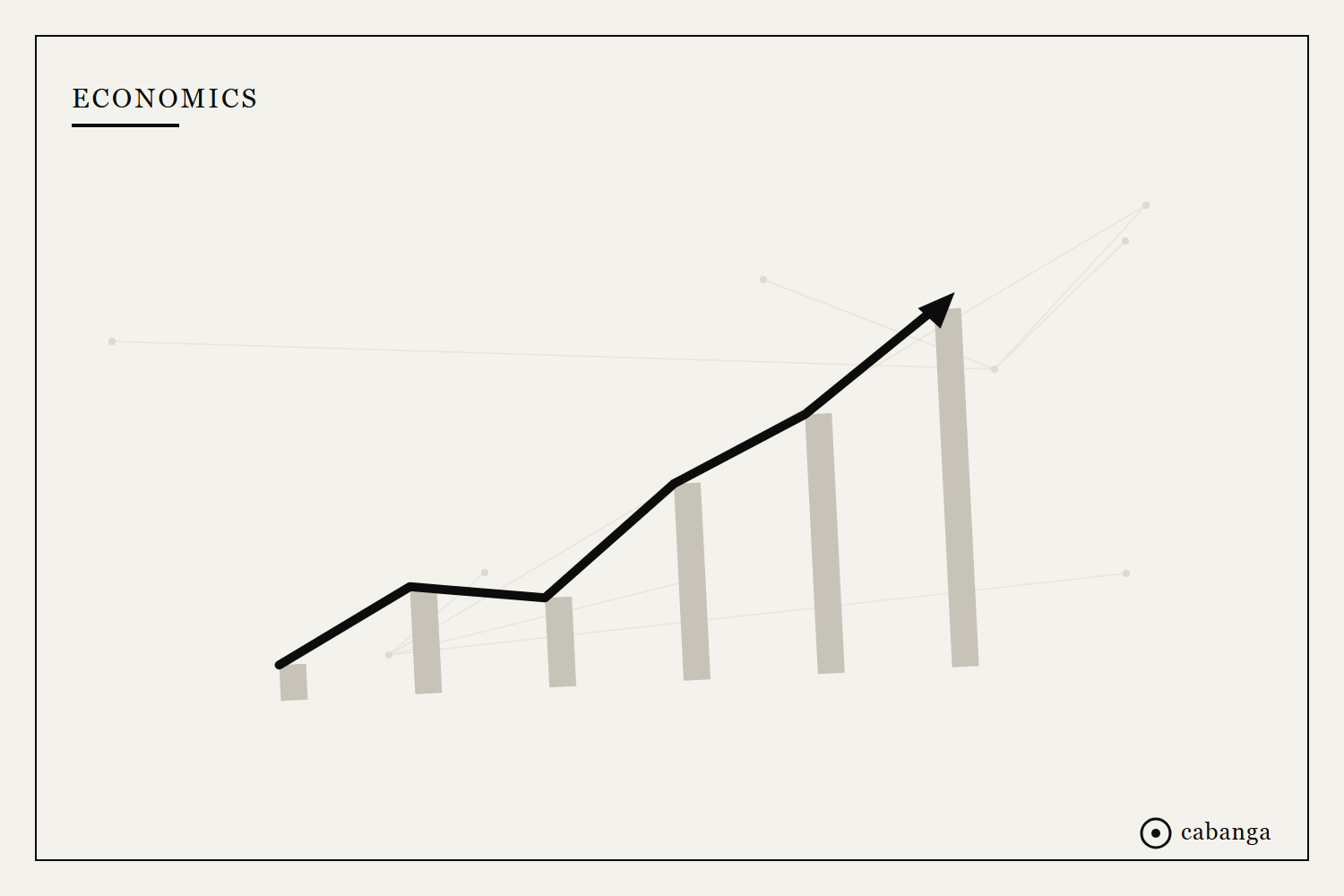
A volatile price is not just a number on a screen; it is cash a business has to find. When the cost of food and fertiliser jumps, every firm that holds stock - the wholesaler, the miller, the retailer, the farmer buying inputs - suddenly needs more money to carry the same quantity of goods. That extra money is working capital, and in 2026 it has become a recurring demand rather than an occasional one.
The FAO Food Price Index tracks the global swings that set this in motion. Food-price and fertiliser volatility raises inventory-financing needs across the chain - and for Botswana, which imports much of what fills its shelves, those swings land on local balance sheets with little buffer.
Why a Price Swing Becomes a Financing Problem
Inventory ties up cash. A trader who used to restock a warehouse for a given sum now needs more to buy the same volume when prices rise - and needs it before the goods sell. Multiply that across a supply chain and a price spike becomes a liquidity squeeze: the same business, doing the same work, suddenly running on a larger float. Fertiliser volatility hits earlier still, raising the cost of inputs a season before any harvest is sold.
This is the first part of the article. The full article is on Cabanga Magazine, from the publishers of the regional business magazines in Africa.
Read the full article on Cabanga Magazine