 Apparel and workwear
 Building supplies
 Medical supplies
 Fitness equipment
 Energy and power
 Industrial equipment
 Livestock supplies
 Mining supplies
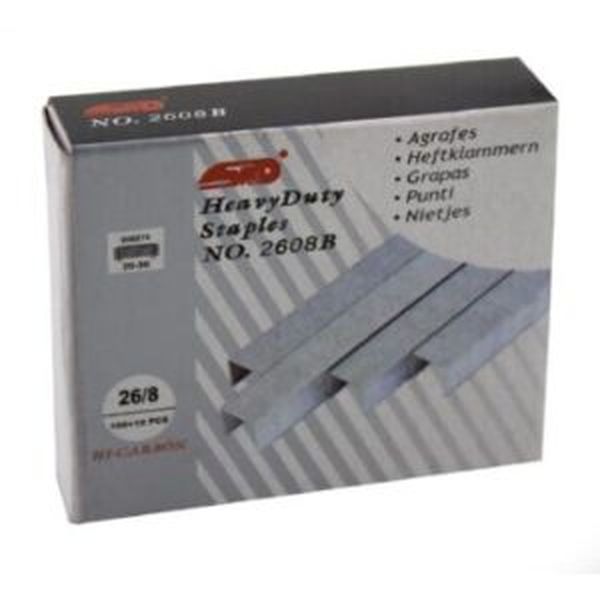 Stationery supplies
 Events and catering equipment

A farmer in Botswana feels a Gulf supply shock long before the news reaches the till. When Middle East disruption threatened fertiliser exports and pushed up African production costs, the pressure travelled down a long chain into local input prices - the kind of move that global food price indicators ultimately reflect. For an import-dependent farming sector, fertiliser-cost exposure is a structural vulnerability, not a passing inconvenience.
Botswana grows on thin margins and imported inputs. That combination makes the price of fertiliser a frontline issue for agribusiness and the value chains around it, because a cost the farmer cannot escape becomes a cost the whole system carries.
Imported Inputs, Imported Risk:
A country that imports much of its fertiliser also imports the volatility of distant markets. A disruption thousands of kilometres away can raise the cost of a planting season here, squeezing farmers who have little room to absorb it and who cannot simply pass the cost forward.
That exposure compounds the country's existing reliance on food imports. When both inputs and outputs are tied to global prices, a single shock can hit from two directions at once, raising the cost of growing and the cost of buying in the same season.
This is the first part of the article. The full article is on Cabanga Magazine, from the publishers of the regional business magazines in Africa.
Read the full article on Cabanga Magazine