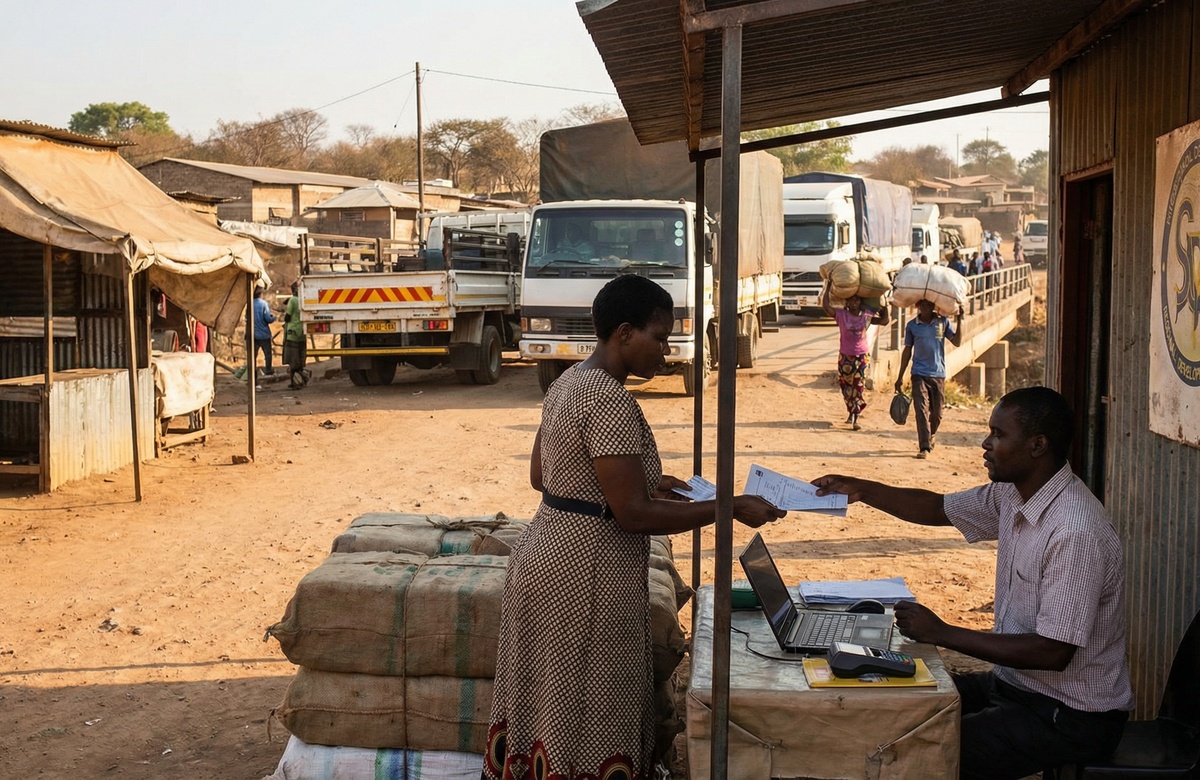
 Apparel and workwear
 Building supplies
 Medical supplies
 Fitness equipment
 Energy and power
 Industrial equipment
 Livestock supplies
 Mining supplies
 Stationery supplies
 Events and catering equipment
Few goods are less forgiving of a slow border than fresh produce, live animals or unprocessed grain. A delay that costs a manufacturer a day of working capital can cost a farmer an entire consignment. On 20 August 2019, SADC and the European Union signed a Contribution Agreement establishing a five-year, €15 million (US$16.45 million) Trade Facilitation Programme, and among its named components are sanitary and phytosanitary standards and non-tariff barrier resolution — the two categories of friction that determine, more than any tariff line, whether a regional farmer or processor can actually reach a neighbouring market.
The contradiction agrifood operators know well is that SADC's tariff preferences have existed for years without translating into proportionate growth in intra-regional food trade. The reason has rarely been the duty; it has been that a shipment of perishable goods can be held at a border pending a sanitary inspection for longer than the product's shelf life allows. A programme aimed at exactly that category of barrier is, for this sector, the more consequential document than any tariff schedule.
A Trade Programme Written for the Shipment That Spoils
SADC's project record lists sanitary and phytosanitary measures alongside technical barriers to trade as core targets of the programme, funded through customs technical assistance and standards-compliance support administered by the Secretariat. For fresh produce, dairy, meat and grain, sanitary compliance is not a formality; it is the specific checkpoint at which a consignment is most likely to be delayed, rejected or destroyed at a border.
This is the first part of the article. The full article is on Cabanga Magazine, from the publishers of the regional business magazines in Africa.
Read the full article on Cabanga Magazine