Apparel and workwear
 Building supplies
 Medical supplies
 Fitness equipment
 Energy and power
 Industrial equipment
 Livestock supplies
 Mining supplies
 Stationery supplies
 Events and catering equipment
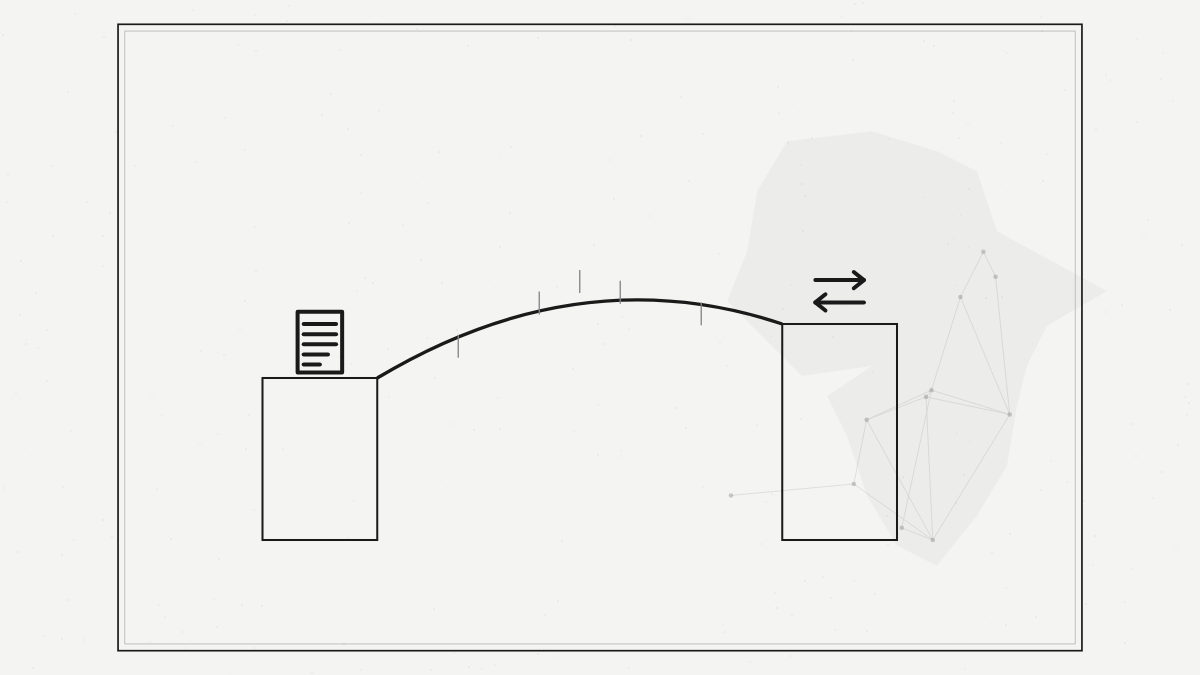
A bridge is only as useful as the border policy attached to it. The Kazungula Bridge, linking Botswana and Zambia across the Zambezi, was engineered to speed cargo through one of southern Africa's busiest corridors. The harder bottleneck has always been administrative, not physical. In August 2024, politicians used the bridge as the occasion to call for implementing the SADC Protocol on Free Movement, framing the structure as a reason to finally move on the rules that govern who and what crosses it.
The call is worth taking seriously because it inverts the usual sequence. Most regional integration arguments start with a treaty and wait for the infrastructure to follow. Here the infrastructure already stands, which sharpens the question of why movement through it remains slower than the engineering allows.
The Corridor: Concrete Outpaces Policy
Kazungula sits at a rare meeting point where Botswana, Zambia, Zimbabwe and Namibia converge, and the bridge replaced a slow pontoon crossing that had long throttled regional haulage. The engineering case was always clear. The push to implement the SADC Protocol on Free Movement reflects a recognition that hard infrastructure alone does not deliver the trade volumes it was designed to carry.
This is the first part of the article. The full article is on Cabanga Magazine, from the publishers of the regional business magazines in Africa.
Read the full article on Cabanga Magazine