 Apparel and workwear
 Building supplies
 Medical supplies
 Fitness equipment
 Energy and power
 Industrial equipment
 Livestock supplies
 Mining supplies
 Stationery supplies
 Events and catering equipment
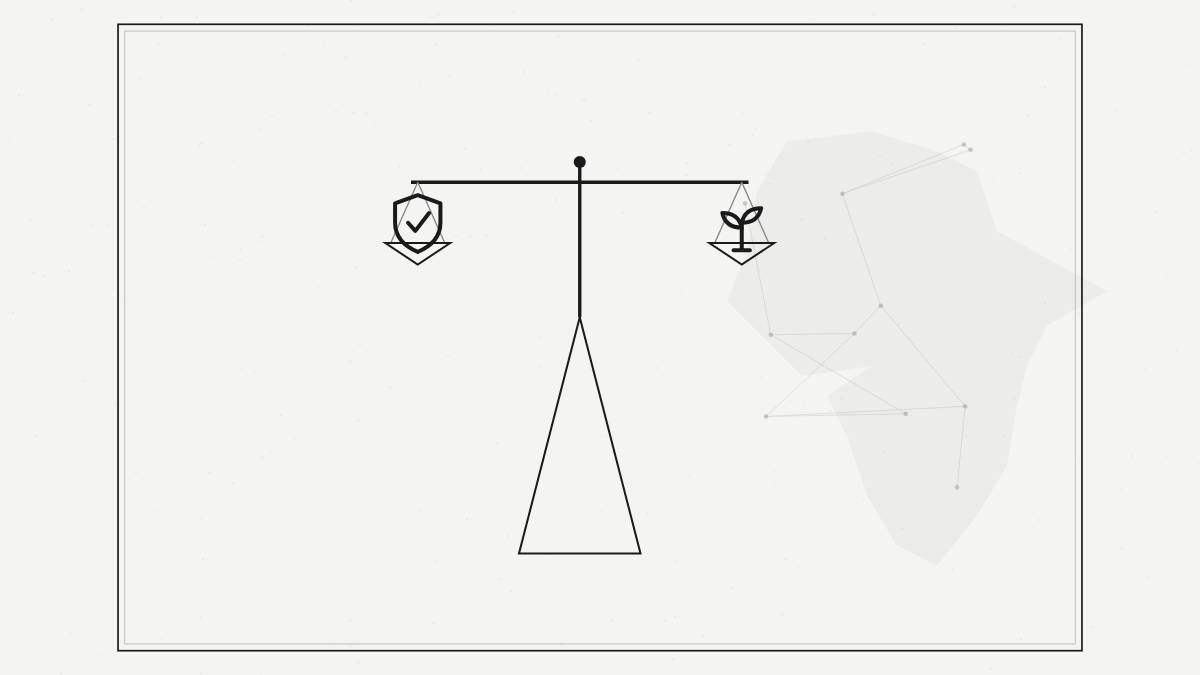
A disease-control zone stops more than a virus. When the rules at its edge are unclear, it stops trade that was never dangerous in the first place, as traders hold back goods they are unsure they are allowed to move. The cost of that hesitation does not appear in any outbreak report; it appears as orders unfilled and shipments delayed. In April 2023, the response was not to loosen the zones but to explain them.
The Department of Veterinary Services listed the goods permitted to move across foot-and-mouth zones, including hides and processed meats, easing the confusion that had built up at the boundaries. The disruption it relieved was caused less by the rules than by uncertainty about them, which is a cheaper problem to fix and an easier one to overlook.
The Problem: Ambiguity Is Its Own Barrier
Foot-and-mouth zoning restricts the movement of live animals and high-risk products to contain outbreaks and protect Botswana's export status. But many goods carry little or no transmission risk. Processed meats have been treated in ways that neutralise the virus, and hides are not a meaningful vector once handled correctly, so both fall into a lower-risk category. When traders cannot tell which side of the line their goods fall on, the safe choice is to stop moving them, and legitimate commerce stalls on the strength of a doubt rather than a rule.
This is the first part of the article. The full article is on Cabanga Magazine, from the publishers of the regional business magazines in Africa.
Read the full article on Cabanga Magazine