Apparel and workwear
 Building supplies
 Medical supplies
 Fitness equipment
 Energy and power
 Industrial equipment
 Livestock supplies
 Mining supplies
 Stationery supplies
 Events and catering equipment
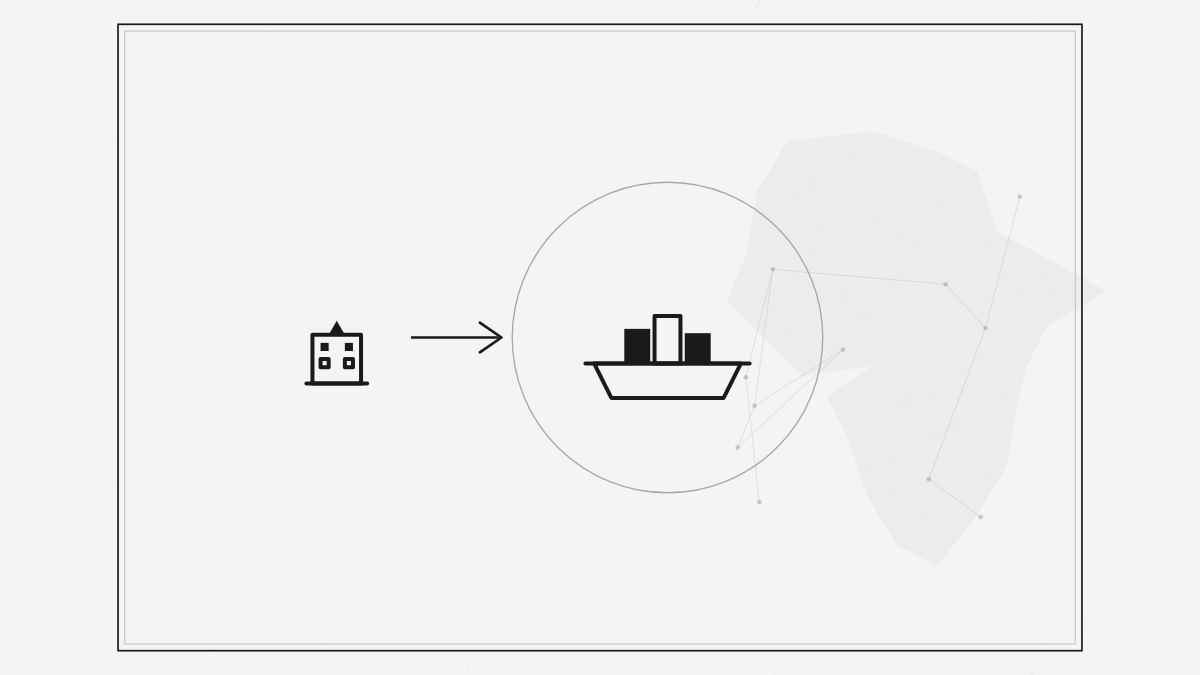
Kasane is known for what passes through it - tourists on their way to the Chobe River, trucks on the corridor between four countries. Less of its economic value stays behind. The Special Economic Zones Authority and First National Bank Botswana are pitching a different role for the town: not a viewing platform but a working node in regional trade.
That is the proposition behind Chobe Connect, a 30-31 March 2026 investor conference framing Kasane as a gateway for agro-industrial value chains, logistics and tourism anchored by the Pandamatenga Special Economic Zone. The pitch is geographic before it is financial: Kasane already sits on the routes that matter, and the conference asks investors to treat that position as a manufacturing and processing opportunity rather than a scenic one.
The Setting: A Town Built on Transit
Kasane sits where Botswana, Zambia, Zimbabwe and Namibia meet, a short distance from the Kazungula crossing. Geography has always made it a corridor. The question SEZA and FNB Botswana are putting to investors is whether the corridor can hold industry as well as carry it - whether goods can be processed near the border rather than simply moved across it.
The distinction is not academic for a landlocked economy. Botswana's trade reaches the sea through its neighbours, and the towns along those routes capture value mainly through fuel, lodging and haulage services. Converting transit into processing means intercepting goods at the border and adding work to them - milling, grading, packing - before they continue. That is the difference between a town that services trade and one that participates in it.
This is the first part of the article. The full article is on Cabanga Magazine, from the publishers of the regional business magazines in Africa.
Read the full article on Cabanga Magazine