 Apparel and workwear
 Building supplies
 Medical supplies
 Fitness equipment
 Energy and power
 Industrial equipment
 Livestock supplies
 Mining supplies
 Stationery supplies
 Events and catering equipment
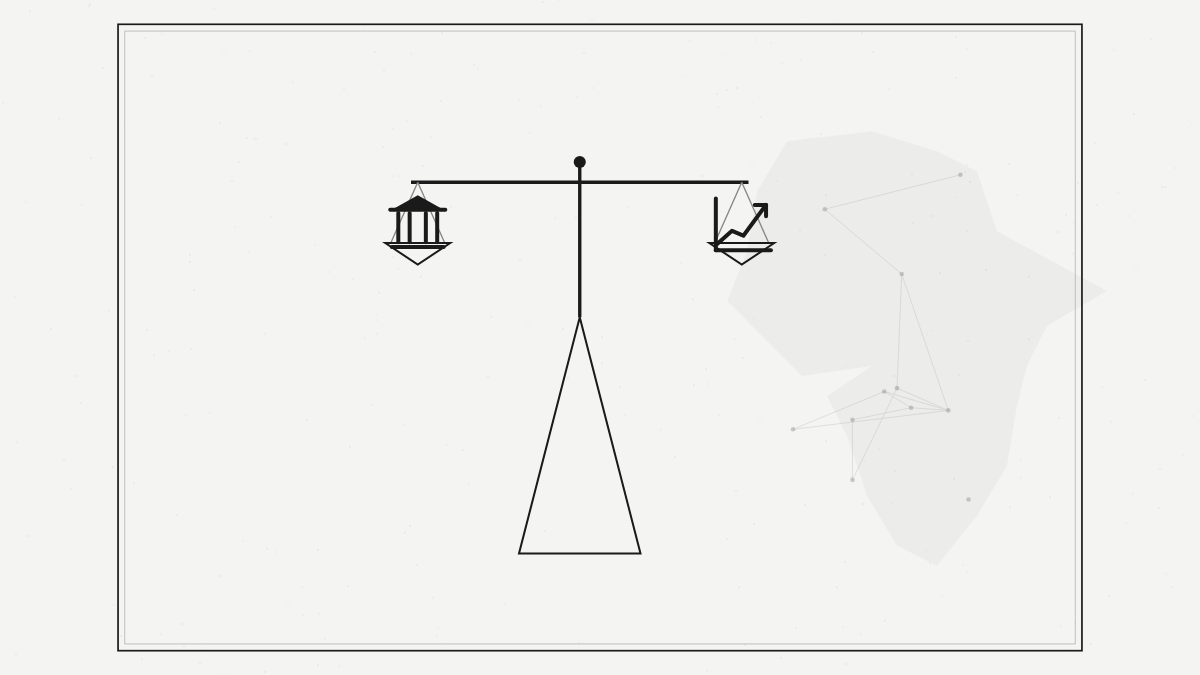
A forecast is not a fact - it is a bet about the year ahead, and in 2026 the bets kept moving. The World Bank cut its global growth outlook to 2.5 percent and warned it could fall to 1.3 percent if the fallout from conflict spreads, revising the number downward under pressure from commodities and war. For a small, open, commodity-exposed economy like Botswana, the lesson is not the precise figure. It is how fast the figure can change, and how little say a country its size has in which way it moves.
Botswana sells diamonds, beef and minerals into a world economy it does not steer. When global growth is downgraded, demand for exactly those goods is among the first things to soften, because they are discretionary, cyclical or both. Planning, then, has to be built around the cycle rather than around a single confident forecast that may not survive the next quarter.
Why a Global Cut Lands in Gaborone
Slower world growth means fewer diamond buyers, softer mineral prices and weaker tourism flows into Maun and Kasane. As Reuters reported, the downgrade is driven by commodity and conflict pressure - the two channels most directly wired to Botswana's export book. A buyer who hesitates on a diamond and a tourist who postpones a trip both register in the same place: the country's foreign-exchange earnings.
This is the first part of the article. The full article is on Cabanga Magazine, from the publishers of the regional business magazines in Africa.
Read the full article on Cabanga Magazine