Apparel and workwear
 Building supplies
 Medical supplies
 Fitness equipment
 Energy and power
 Industrial equipment
 Livestock supplies
 Mining supplies
 Stationery supplies
 Events and catering equipment
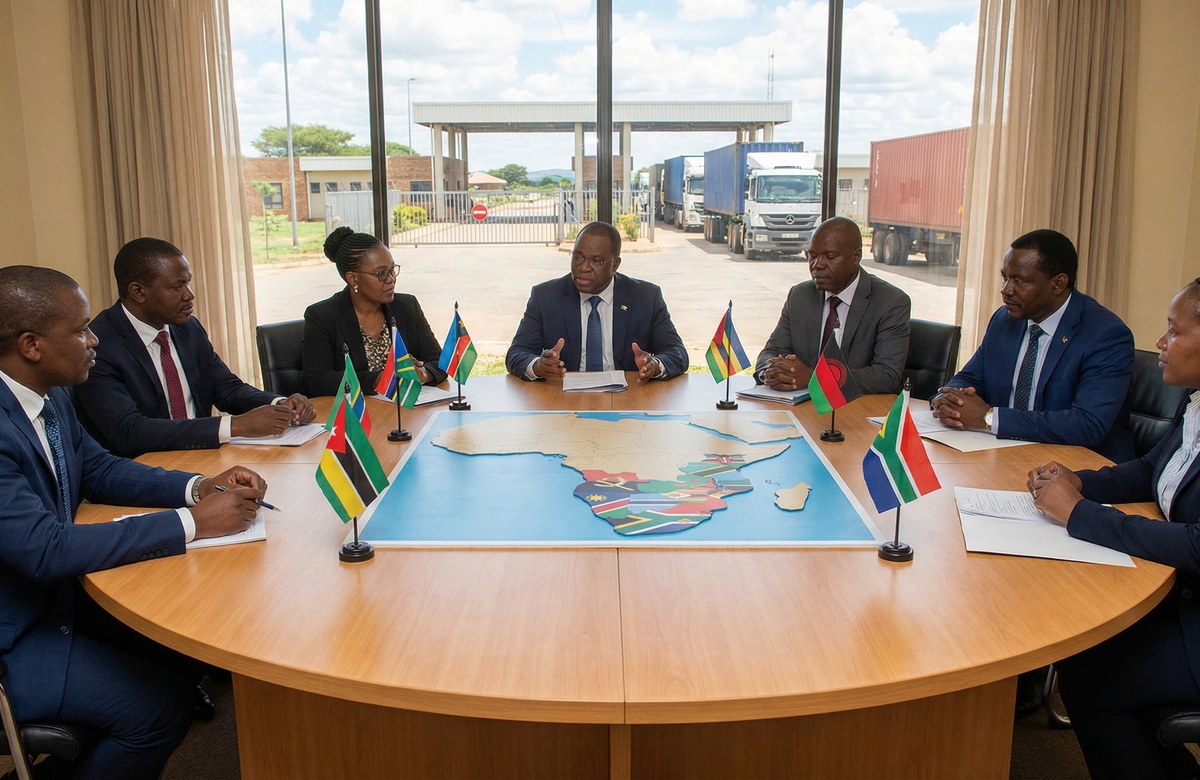
Despite their rich raw materials advantage, African countries continue to be economically challenged, with Seychelles being the only Sub Saharan African country with high income economy while the rest range from Low-income economy to Upper-middle income economy. Though a few fall under upper-middle income economy, the World Bank reports that most of the citizens live by $1.90 or less per day.
A publication by African Development Bank Group on September 2017 testified;
While a very few countries have been able to successfully transform their natural capital into human and produced capital, the vast majority have failed to do so. In several cases, the exploitation of natural resources has created an unsustainable surge in current consumption expenditure at the expense of long-term sustained economic growth. Furthermore, some studies have shown a strong correlation between negative adjusted savings rates and persistently low socioeconomic development indicators, such as literacy rate, infant mortality and access to water and electricity.
According to African Development Bank Group, minerals play a big role in the economies of countries they were analyzing being; Angola, Botswana, Congo (Brazzaville), Equatorial Guinea, Gabon, Mauritania, Nigeria and South Africa.
So, what sets Seychelles apart from the rest? Through it has no much land, Seychelles has managed to diversify its economy, some of the leading sectors include; creative industries, enterprises, tourism, airways, financial services and blue economy.
Now regarding Botswana and its counterparts, Special Economic Zones (SEZs) are a great opportunity and a first step to economic diversification if properly managed and administered.
Special Economic Zones aims to enhance the prosperity of the country. There are six types of SEZs which countries often align with depending on what goal they want to accomplish, and they are; Free Trade Zone (FTZ), Export Processing Zone (EPZ), Enterprise Zone, Single factory, Free Ports, and Specialized Zone.
This is the first part of the article. The full article is on Cabanga Magazine, from the publishers of the regional business magazines in Africa.
Read the full article on Cabanga Magazine