Apparel and workwear
 Building supplies
 Medical supplies
 Fitness equipment
 Energy and power
 Industrial equipment
 Livestock supplies
 Mining supplies
 Stationery supplies
 Events and catering equipment
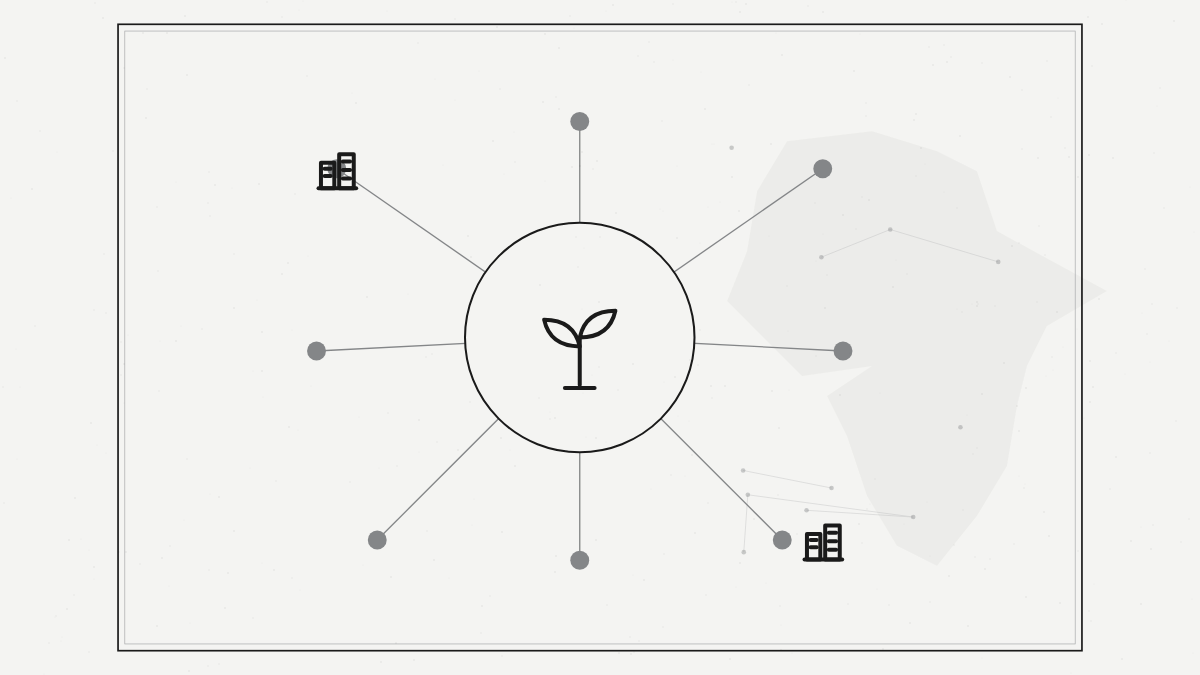
A food-price shock is felt at the till, but its deeper lesson is about geography: how far Botswana's food travels before it reaches the shelf. The FAO Food Price Index tracks the global swings that ripple into a heavily import-dependent food basket, and each spike sharpens the case for transforming more produce at home rather than landing it finished from abroad.
That case is partly a property case. Agro-processing zones and the rural land around them are the physical infrastructure of food security, and food shocks are precisely what make the investment pencil out. When imported food is cheap and stable, local processing looks marginal. When prices spike, the value of producing and processing closer to home becomes obvious.
From Price Shock to Processing Case
When global food prices jump, the value of local processing rises, because domestically transformed produce is less exposed to import costs and freight. Abattoirs, dairies, grain mills and packing facilities turn raw local output into shelf-ready goods, capturing margin that otherwise leaves the country with every container of finished imports.
This is the first part of the article. The full article is on Cabanga Magazine, from the publishers of the regional business magazines in Africa.
Read the full article on Cabanga Magazine