 Apparel and workwear
 Building supplies
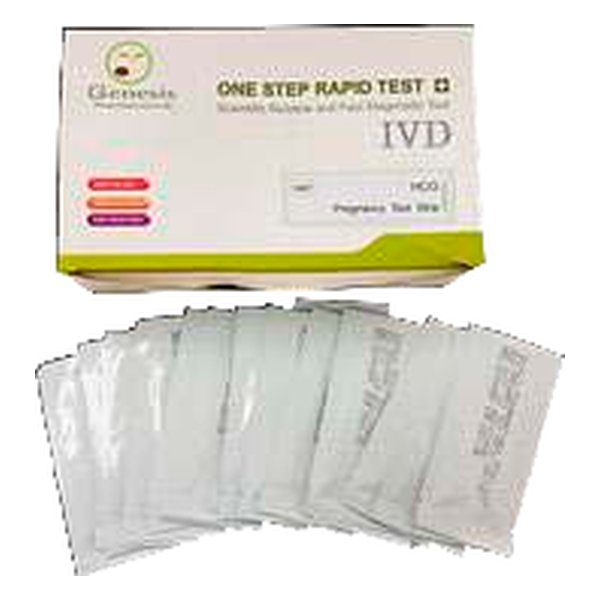 Medical supplies
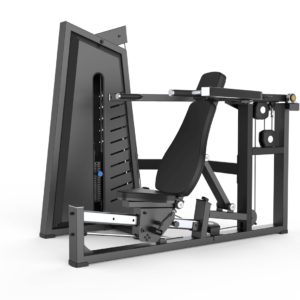 Fitness equipment
 Energy and power
 Industrial equipment
 Livestock supplies
 Mining supplies
 Stationery supplies
 Events and catering equipment
Regional blocs are usually judged by how few instruments they produce, on the theory that a lean rulebook is easier to enforce than a thick one. The Southern African Development Community's 39th Summit, held on 17 and 18 August 2019 in Dar es Salaam, tested that theory by doing the opposite: in a single communique, the Heads of State and Government approved a new Protocol on Industry, approved a Protocol on Inter-State Transfer of Sentenced Offenders, adopted Kiswahili as the bloc's fourth official working language, directed work on a roadmap to convert the SADC Parliamentary Forum into a full SADC Parliament, and recorded South Africa's withdrawal from the 2014 Protocol on the Tribunal — all inside forty-eight hours.
The contradiction sitting inside that list is the interesting part. SADC added binding instruments to its architecture in the same communique that recorded a member state formally stepping back from an existing one. A bloc can be simultaneously instrument-rich and enforcement-thin, and this summit is a compact illustration of exactly that pattern.
The thesis for anyone studying SADC as a regional framework, rather than as a headline event, is that the summit's real content is not any single protocol but the shape of the institutional architecture emerging around it — an architecture accumulating industrial, judicial, linguistic and parliamentary layers at different speeds, with enforcement consistently the slowest of the four.
Six Instruments, One Summit
The formal decisions recorded in the communique are unusually dense for a single sitting. Summit "approved the Protocol on Industry," aimed at "a diversified, innovative and globally competitive industrial base"; separately "approved the Protocol on Inter-State Transfer of Sentenced Offenders," which allows sentenced individuals to serve terms in their home countries rather than the country of conviction; and "approved Kiswahili as the Fourth SADC Official Working Language," a decision explicitly linked in the 39th SADC Summit communique to Mwalimu Julius Nyerere's role in the region's liberation history.
This is the first part of the article. The full article is on Cabanga Magazine, from the publishers of the regional business magazines in Africa.
Read the full article on Cabanga Magazine